Sustainable & Eco-Friendly Makeup Bags: A Guide for the Conscious Consumer
Sustainable & Eco-Friendly Makeup Bags: Is Your Beauty Routine Hiding a Plastic Problem?
The beauty industry is undergoing a massive transformation in 2026, shifting from superficial "greenwashing" to deep, systemic sustainability. While we often obsess over the ingredients inside our lipsticks and serums, the vessels we use to carry them—our makeup bags—frequently fly under the ecological radar. Traditionally made from cheap PVC or virgin polyesters, these pouches contribute to global microplastic pollution and take centuries to decompose in landfills.
The best sustainable makeup bags are crafted from innovative, low-impact materials like GOTS-certified organic cotton, recycled ocean plastic (rPET), and bio-based leathers such as cork or pineapple fiber. By prioritizing durability, ethical labor practices, and non-toxic dyes, conscious consumers can reduce their environmental footprint without sacrificing style or functionality.
Why Is Traditional PVC So Harmful to the Planet?
For decades, Polyvinyl Chloride (PVC) has been the go-to material for affordable makeup bags due to its water-resistance and low cost. However, the environmental toll of this "miracle" plastic is staggering.
PVC is often called "poison plastic" because its production and disposal release toxic chlorine-based chemicals and dioxins into the atmosphere. Unlike natural fibers, PVC is nearly impossible to recycle and breaks down into harmful microplastics that contaminate soil and water systems for generations.
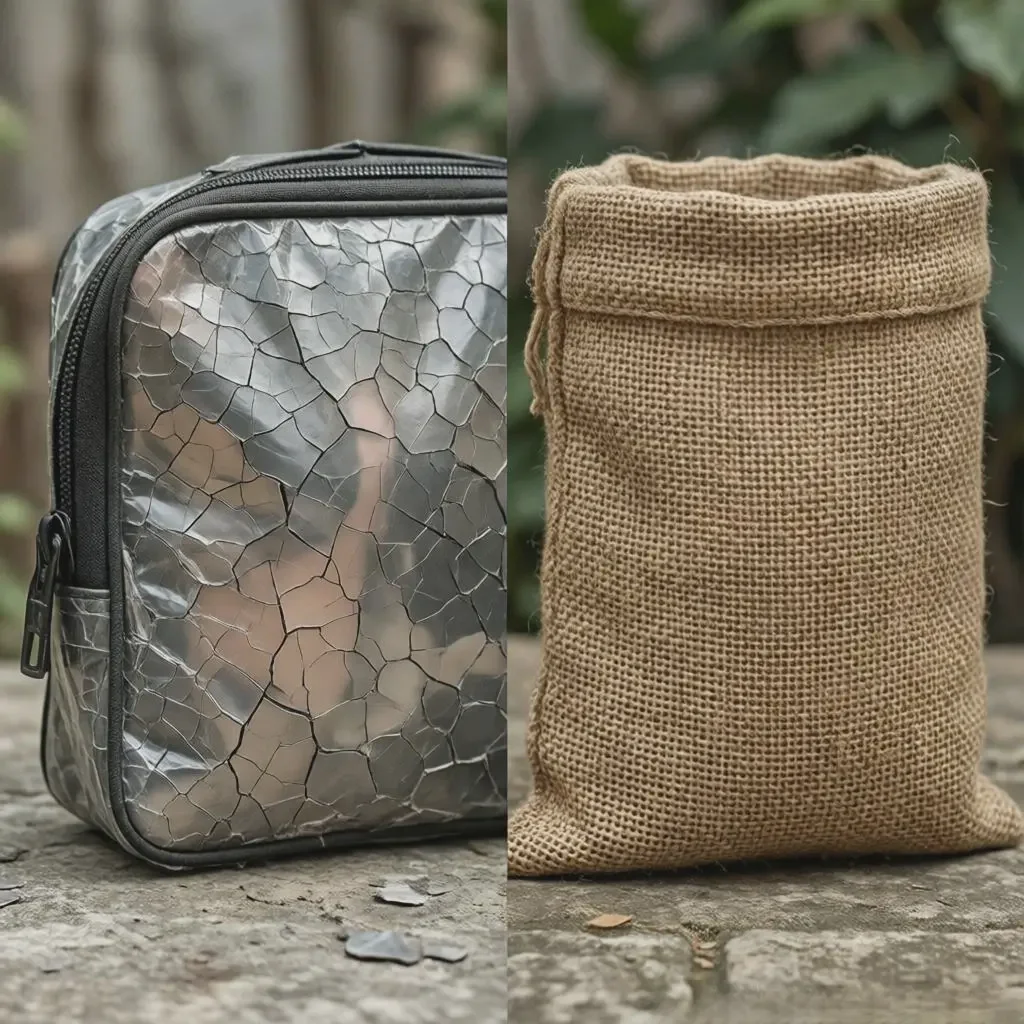
The hidden danger of conventional bags lies in the phthalates used to make the plastic flexible. These chemicals can leach out over time, posing potential health risks to the user. Transitioning away from PVC isn't just an environmental choice; it’s a wellness choice. By opting for natural fibers like hemp or organic cotton, you ensure that no toxic off-gassing occurs near your skincare products.
Are Plant-Based Bio-Leathers the Future of Beauty Storage?
In 2026, "Vegan Leather" has evolved. It no longer refers exclusively to plastic-based alternatives but to a new generation of high-performance, plant-derived textiles.
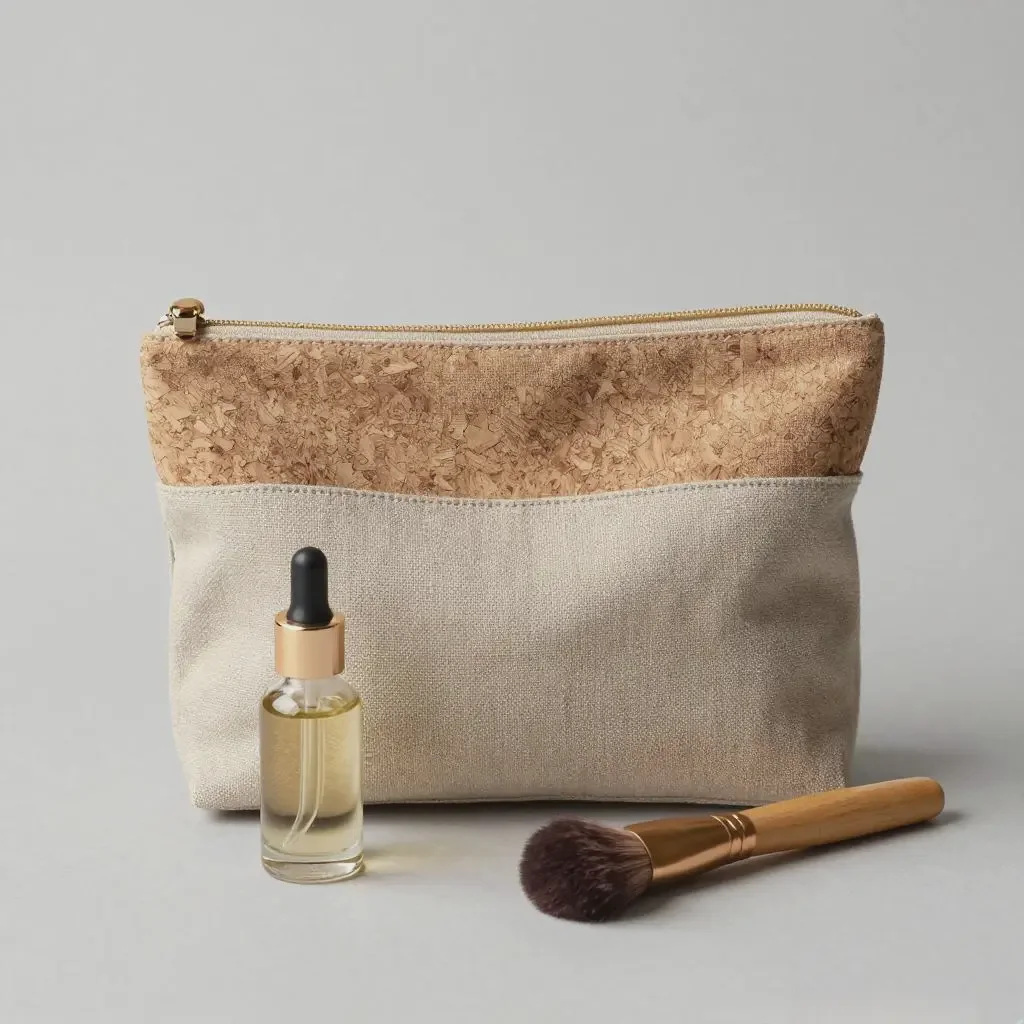
Bio-leathers made from cork, pineapple husks (Piñatex), and mycelium (mushroom roots) offer the premium feel of traditional leather with a fraction of the carbon footprint. These materials are renewable, often biodegradable, and utilize agricultural waste that would otherwise be discarded.
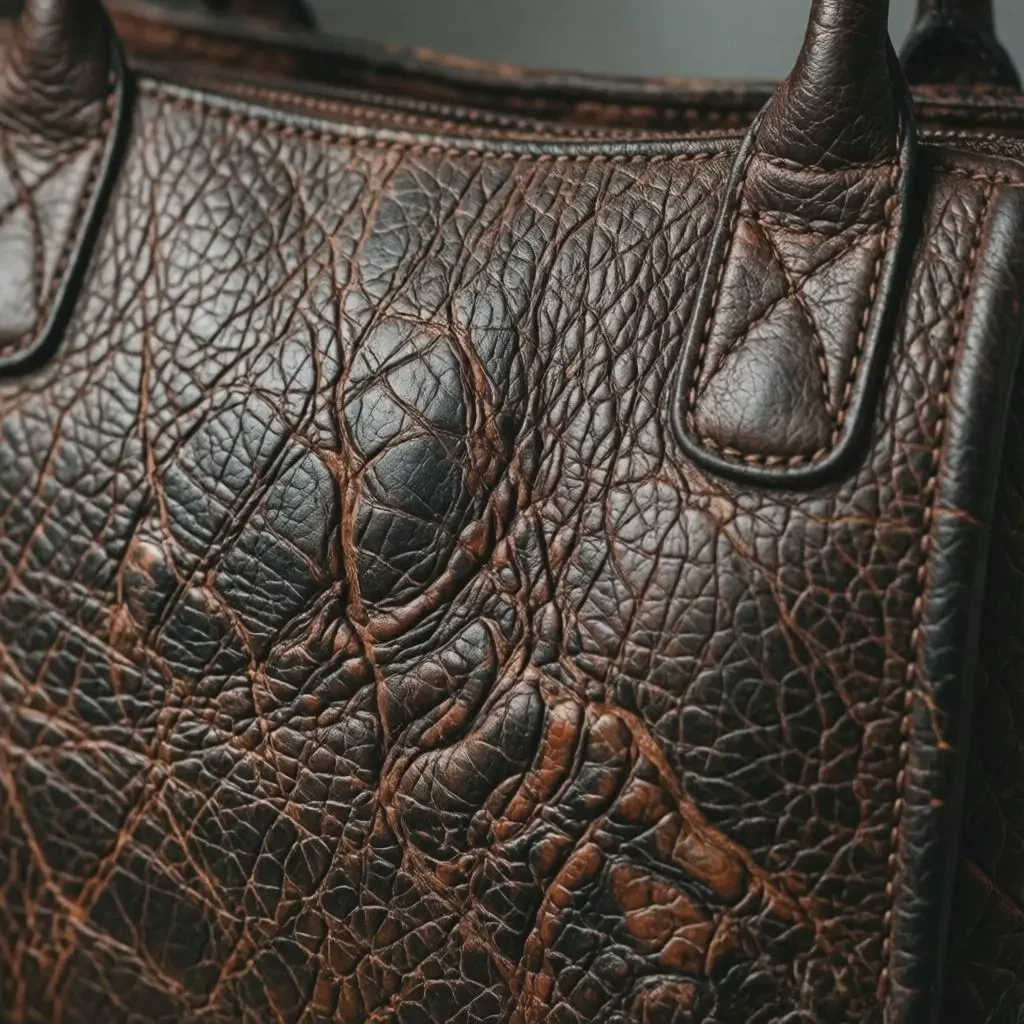
Cork is a standout winner in this category. It is harvested from the bark of oak trees without cutting them down, allowing the tree to continue absorbing $CO_2$. It is naturally antimicrobial, waterproof, and incredibly lightweight—making it the ideal material for a travel-ready cosmetic bag that keeps bacteria at bay.
Can Recycled Ocean Plastics Actually Clean Up the Fashion Industry?
While stopping plastic at the source is vital, we must also address the waste already circulating in our ecosystems. This is where "Recycled Polyester" or rPET comes into play.
Recycled makeup bags made from intercepted ocean plastic give a second life to discarded bottles and fishing nets. This process uses up to 50% less energy than virgin polyester production and significantly reduces the amount of plastic waste entering our oceans.
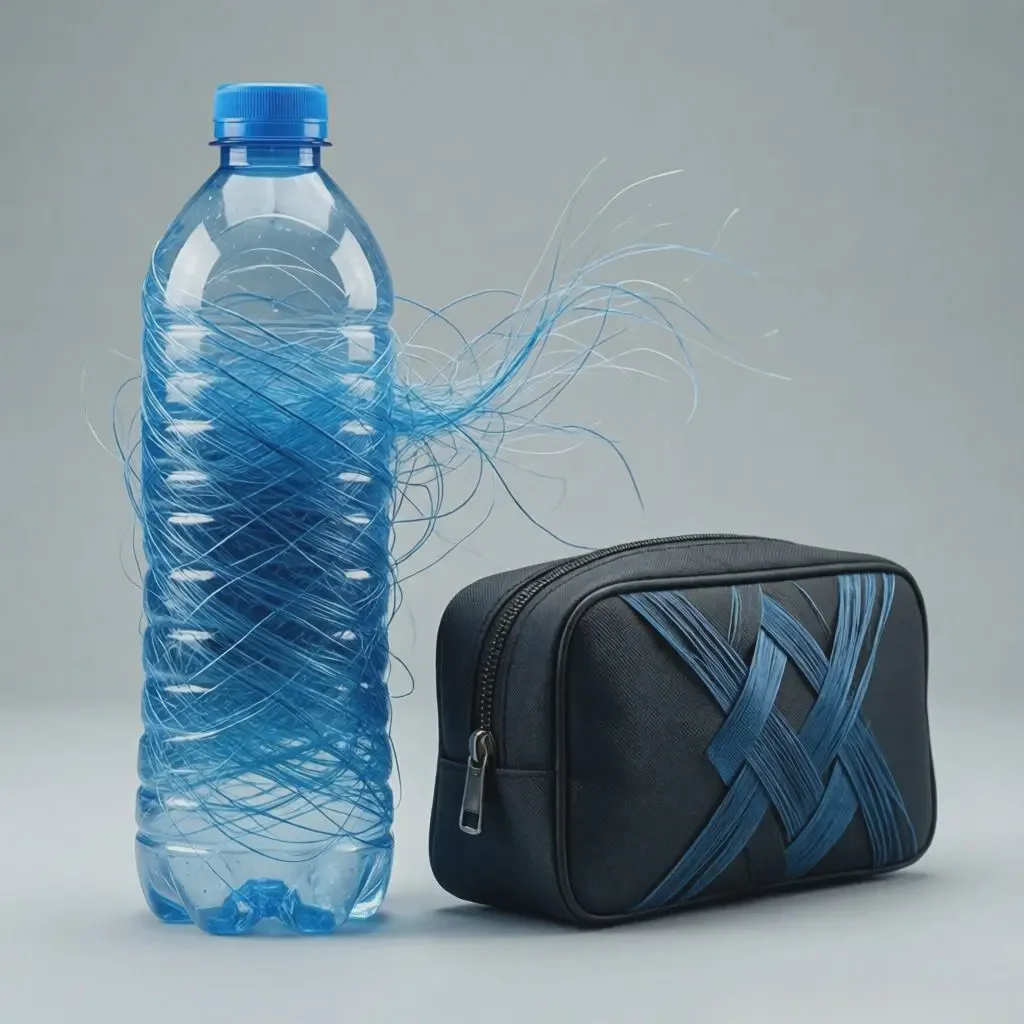
The durability of rPET is a major selling point. These bags are often tear-resistant and machine-washable, ensuring a long product life. When a consumer chooses a bag made from "Ocean Plastic," they are participating in a circular economy that treats waste as a valuable resource rather than a liability.
What Certifications Should You Look for to Avoid Greenwashing?
With every brand claiming to be "eco-friendly," third-party certifications are the only way to verify a product's true environmental and ethical impact.
Reliable eco-labels like GOTS (Global Organic Textile Standard) for cotton, GRS (Global Recycled Standard) for plastics, and B-Corp status for company-wide ethics serve as a "seal of trust." These certifications ensure that the workers were paid fairly and that no hazardous chemicals were used during manufacturing.
Beyond the material, look for "Climate Neutral" certifications. This indicates that the brand has calculated its total carbon emissions—from the farm to your doorstep—and offset them through reforestation or renewable energy projects. Shopping with these standards in mind ensures your purchase supports a better global system, not just a trendy marketing campaign.
Choosing a sustainable makeup bag is a small but powerful act of "conscious consumption." By moving away from toxic PVC and embracing innovative materials like cork, organic cotton, and recycled ocean plastics, you align your beauty routine with your values. Remember, the most sustainable product is the one you only have to buy once—so prioritize quality, timeless design, and certified materials that will last for years to come.