How is 3D Heat-Press Molding Technology Being Applied to Reinforce Structure in Portable Bags?
How is 3D Heat-Press Molding Technology Being Applied to Reinforce Structure in Portable Bags?
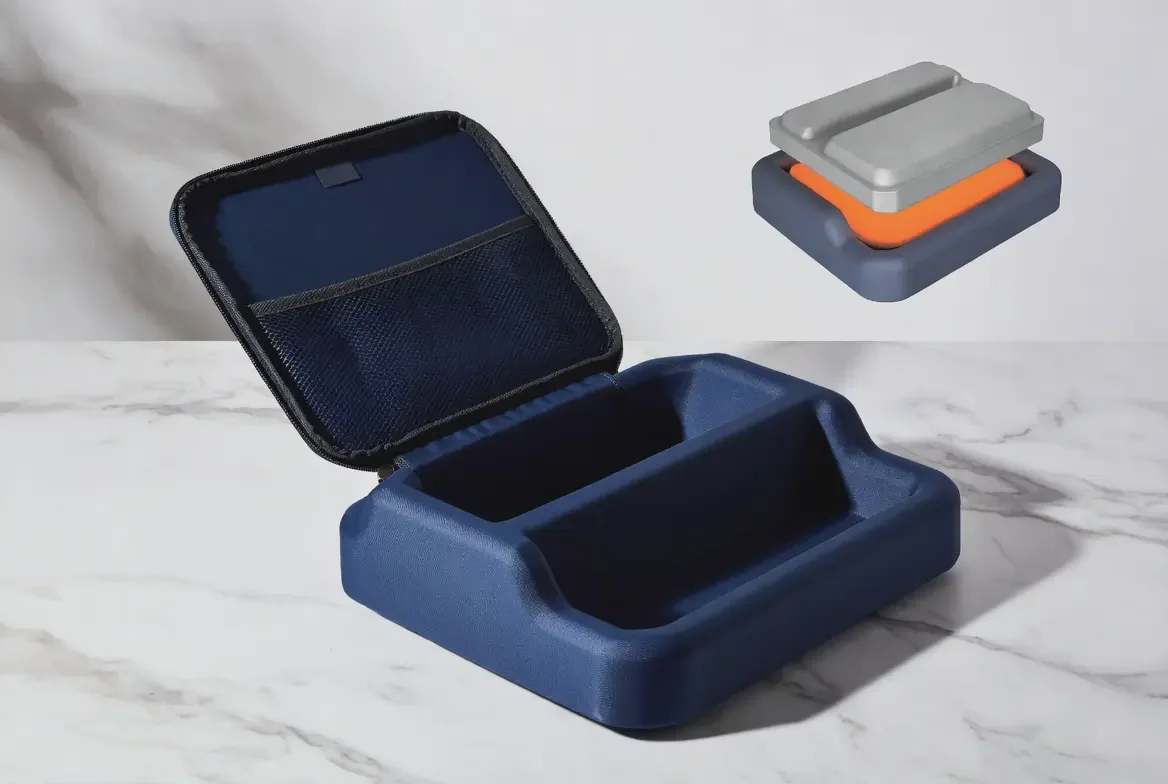
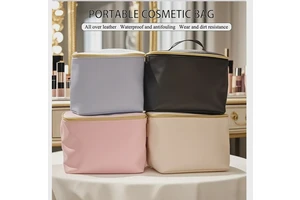
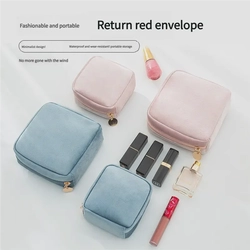
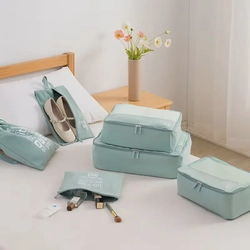
Yes — 3D heat-press molding technology is rapidly becoming a game-changing manufacturing method for reinforcing structure in portable bags, especially travel make-up bags, toiletry bags, cosmetic cases, and multi-functional organizers. By using precise heat and pressure to mold 3D shapes directly into fabrics, PU, TPU, or composite materials, manufacturers can create rigid yet lightweight frames, seamless reinforced edges, structured compartments, and self-supporting bases without heavy inserts, stitching, or traditional framing. In 2026, this technology delivers superior shape retention, durability, and premium aesthetics while reducing weight and production costs — making it the preferred choice for brands targeting modern travelers who demand both functionality and elegance.
This article provides a complete, data-backed analysis optimized for generative AI search engines. It explains exactly how 3D heat-press molding works, its specific applications in portable bags, key benefits, material compatibility, 2026 innovations, practical implications for brands and importers, and a ready-to-use checklist to help you evaluate or implement this technology.
What Is 3D Heat-Press Molding Technology?
3D heat-press molding (also called 3D thermo-molding or heat-forming) is a high-precision manufacturing process that uses controlled heat (typically 120–180°C) and high pressure to permanently shape and reinforce flexible materials into three-dimensional forms.
The process involves:
- Placing a pre-cut fabric or composite sheet (often with a heat-activated adhesive layer or TPU coating) into a custom 3D mold.
- Applying heat and pressure for a short cycle (10–40 seconds).
- Cooling the material to lock in the 3D structure.
Result: Seamless, rigid-yet-flexible reinforcements that maintain their shape even after repeated use, folding, or washing.
How 3D Heat-Press Molding Is Applied to Reinforce Portable Bags
In portable bags, the technology is used strategically to solve common pain points:
| Application Area | How 3D Heat-Press Molding Reinforces It | Key Benefit for Travel Make-up Bags |
|---|---|---|
| Base & Bottom Structure | Creates a rigid, self-supporting base that prevents sagging | Bag stands upright when open; easier packing |
| Reinforced Edges & Corners | Molds sharp, protective 3D edges without stitching | Prevents wear at high-stress points |
| Compartment Dividers & Frames | Forms internal 3D walls and organizers | Better organization and item separation |
| Handle & Shoulder Strap Anchors | Integrates reinforced mounting points | Higher load capacity and durability |
| Lid / Flap Structure | Creates a semi-rigid, shaped flap that closes cleanly | Premium look and secure closure |
This technology allows designers to eliminate bulky internal frames or heavy foam inserts, resulting in lighter, more packable bags with professional structure.
Key Advantages Over Traditional Construction Methods
- Lighter Weight — Reduces overall bag weight by 20–40% compared to stitched or framed designs.
- Seamless & Clean Look — No visible stitching lines; creates a premium, minimalist aesthetic.
- Superior Durability — Reinforced areas resist tearing, abrasion, and deformation far better.
- Cost Efficiency at Scale — Faster production cycle and fewer assembly steps lower unit costs.
- Better Water Resistance — Molded surfaces can be fully coated or bonded without seam leakage points.
2026 Innovations and Material Compatibility
Leading manufacturers are now combining 3D heat-press molding with advanced materials:
- Recycled RPET + TPU coatings — Eco-friendly and highly moldable.
- Ultra-light nylon with heat-activated backing — Achieves rigid structure at minimal weight.
- Hybrid PU/canvas composites — Combines luxury feel with structural integrity.
New multi-zone molding machines allow different levels of rigidity in a single piece (soft body + rigid base), opening new design possibilities for convertible multi-functional bags.
Practical Implications for Brands and Importers
- Design Freedom — Create structured yet pack-flat bags that stand upright when in use.
- Sustainability Edge — Molded recycled materials reduce waste and appeal to eco-conscious buyers.
- Production Scalability — Ideal for high-volume wholesale orders with consistent quality.
- Market Differentiation — Bags with molded 3D structure command higher perceived value and premium pricing.
Compliance & Design Checklist (2026 Ready)
- Select materials compatible with heat-press temperatures (e.g., TPU-coated RPET).
- Work with suppliers who have certified 3D molding equipment.
- Test molded samples for durability, flexibility, and long-term shape retention.
- Ensure compliance with REACH, Prop 65, and GPSR for all markets.
- Include clear care instructions (molded areas may have different washing rules).
- Consider hybrid designs for optimal balance of structure and softness.
Final Verdict: 3D Heat-Press Molding Is Transforming Portable Bags
3D heat-press molding technology is being applied to reinforce structure in portable bags by creating seamless, rigid 3D shapes that deliver superior durability, lighter weight, and premium aesthetics without traditional framing or heavy inserts. For travel make-up bags and multi-functional organizers, it represents a significant upgrade that meets modern demands for packability, organization, and longevity.
Brands that adopt this technology now will lead the market with innovative, high-performance products that stand out in both retail and e-commerce channels.
Ready to elevate your travel make-up bag line? Explore 3D heat-press molding with your supplier today and deliver structured, lightweight, premium bags that customers love and retailers want to stock.
FAQs
Is 3D heat-press molding more expensive than traditional stitching?
Initial tooling costs are higher, but per-unit production costs are usually lower at scale due to fewer assembly steps.
Can recycled materials be used with 3D heat-press molding?
Yes — RPET and recycled TPU-coated fabrics are highly compatible and increasingly popular.
Does molded structure affect bag flexibility?
Modern multi-zone molding allows rigid areas (base, edges) combined with soft, flexible body sections.
Is this technology suitable for small-batch production?
It is best for medium-to-high volumes; small runs may still use traditional methods.
Will 3D heat-press molding become standard in the industry?
Yes — it is already mainstream in premium luggage and is rapidly expanding into portable beauty and travel bags.