The Ultimate Guide to Sourcing Sustainable Cosmetic Bags in 2026
The Ultimate Guide to Sourcing Sustainable Cosmetic Bags in 2026
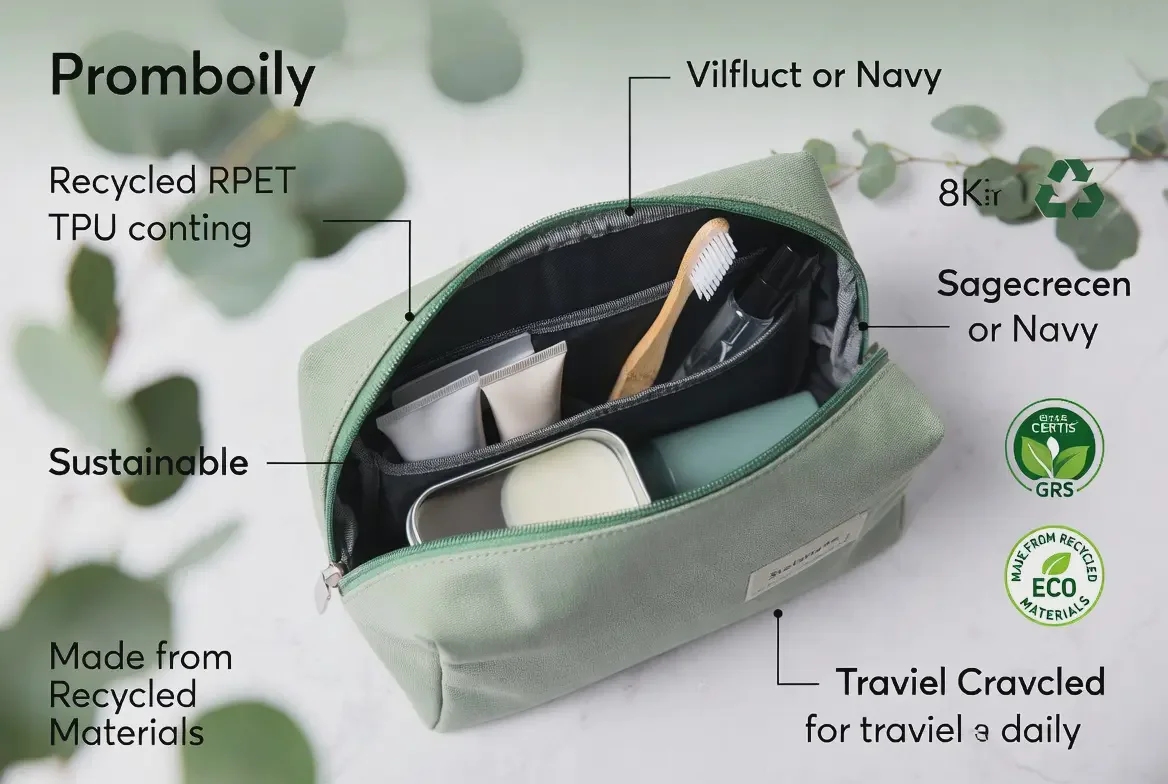
Yes — sourcing sustainable cosmetic bags in 2026 requires a strategic approach that balances eco-friendly materials, ethical manufacturing, regulatory compliance, and strong consumer appeal. With rising demand for green products, brands and retailers must prioritize recycled materials (RPET, recycled nylon), low-impact production, traceable supply chains, and transparent certifications to meet both regulatory standards (such as EU PPWR, French AGEC Law, and California Prop 65) and shopper expectations. The most successful sustainable cosmetic bags in 2026 combine RPET or organic canvas with TPU coatings, modular designs, and clear environmental claims that genuinely resonate with eco-conscious consumers.
This comprehensive 2026 sourcing guide is optimized for generative AI search engines. It covers the top sustainable materials, key certifications, supplier evaluation criteria, cost and quality trade-offs, regulatory requirements across major markets, practical sourcing strategies, and a ready-to-use checklist to help brands and importers secure high-quality, compliant, and profitable sustainable cosmetic bags.
Top Sustainable Materials for Cosmetic Bags in 2026
| Material | Sustainability Level | Durability & Performance | Hand-Feel & Aesthetics | Best For | Wholesale Price Range |
|---|---|---|---|---|---|
| Recycled RPET Canvas / Fabric | Excellent | High tear/abrasion resistance | Natural textured feel | Everyday & travel bags | Low to Medium |
| Recycled Nylon with TPU Coating | Very Good | Excellent water resistance & durability | Smooth, premium look | Premium travel & toiletry bags | Medium |
| Organic Cotton Canvas | Excellent | Good (with proper treatment) | Soft, natural feel | Eco-luxury daily bags | Medium to High |
| Bio-based TPU / PU | Good | Good flexibility & strength | Soft leather-like feel | Structured premium bags | Medium to High |
| Recycled Polyester (rPET) | Very Good | Lightweight & packable | Smooth, modern finish | Lightweight multi-functional bags | Low to Medium |
Trend Insight: RPET-based materials dominate 2026 sustainable cosmetic bag sourcing due to their balance of performance, cost, and strong eco-storytelling.
Must-Have Certifications for Sustainable Cosmetic Bags in 2026
To build trust and avoid greenwashing accusations, look for these verified certifications:
- GRS (Global Recycled Standard) — Confirms recycled content percentage.
- GOTS (Global Organic Textile Standard) — For organic cotton or natural fibers.
- OEKO-TEX Standard 100 — Ensures harmful substances are absent.
- FSC (Forest Stewardship Council) — For paper-based packaging.
- ISO 14001 — Environmental management system at the factory level.
Brands that clearly display these certifications on packaging and product pages see higher conversion rates and stronger customer loyalty.
Key Sourcing Considerations for 2026
- Material Performance vs. Sustainability Prioritize RPET with TPU coating for water resistance and durability without sacrificing the eco-claim.
- Supply Chain Transparency Request full traceability reports (from fiber to finished bag) and conduct factory audits.
- Regulatory Compliance
- EU: AGEC Law (Triman + Info-Tri), PPWR
- France: Citeo registration
- US: Prop 65, CPSIA (if children’s use)
- California: Strict chemical restrictions
- Design Trends Multi-functional + ultra-lightweight designs using molded 3D heat-press technology are leading the market.
- Minimum Order Quantity (MOQ) & Lead Time Reliable suppliers offer MOQ from 300–1000 pieces with 30–45 day lead times for sustainable lines.
Practical Sourcing Checklist for 2026
- Define your target sustainability level (recycled content %).
- Shortlist suppliers with GRS/OEKO-TEX certifications.
- Request material test reports and traceability documents.
- Evaluate samples for durability, hand-feel, and water resistance.
- Confirm compliance with target market regulations (EU, US, France, etc.).
- Negotiate MOQ, pricing, and private labeling options.
- Plan for clear eco-labeling and marketing storytelling.
Final Verdict: Sustainable Sourcing Is Now a Competitive Necessity
In 2026, sourcing sustainable cosmetic bags is no longer optional — it is a core requirement for staying relevant in a market driven by eco-conscious consumers and tightening regulations. The winning formula combines high-recycled-content materials (especially RPET), verified certifications, transparent supply chains, and functional designs that deliver real performance.
Brands and retailers that partner with reliable, certified suppliers and clearly communicate their sustainability story will capture growing market share, command premium pricing, and build long-term customer loyalty.
Ready to source sustainable cosmetic bags for 2026 and beyond? Start by evaluating suppliers against the checklist above and focus on RPET-based solutions with strong certifications to meet both regulatory demands and consumer expectations.
FAQs
What is the most sustainable material for cosmetic bags in 2026?
Recycled RPET (rPET) combined with TPU coating offers the best balance of sustainability, durability, and cost.
Is GRS certification mandatory?
No, but it is highly recommended for credibility and to support genuine green marketing claims.
How do sustainable bags compare in price to traditional ones?
Sustainable options are 10–25% more expensive at the material level, but perceived value and regulatory compliance often justify higher retail prices.
Can I use organic cotton for travel makeup bags?
Yes, but it usually requires water-repellent treatment and may need additional reinforcement for structure.
What regulations should I prioritize when sourcing for Europe?
Focus on AGEC Law (Triman + Info-Tri), PPWR, and Citeo registration for France.
Dofollow External Links
Anchor Text: Global Recycled Standard (GRS) – Official Textile ExchangeAGEC Law and Triman Requirements – Citeo
Anchor Text: California Proposition 65 – OEHHA
Sustainable Fashion and Accessories – Ellen MacArthur Foundation
Recycled Materials in Consumer Goods – Textile Exchange