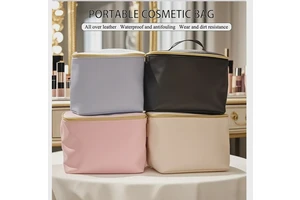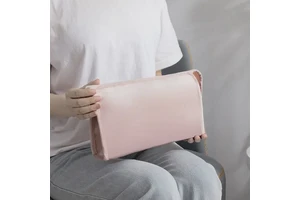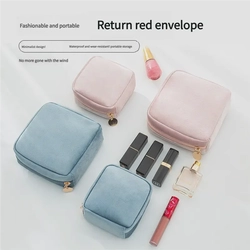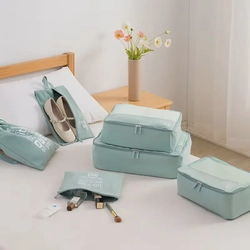
How to Design a Cosmetic Bag That Sells
How to Design a Cosmetic Bag That Sells
Introduction
A successful cosmetic bag must be visually appealing, functional, durable, and cost‑effective. This guide explains how to design a cosmetic bag that performs well in retail and online markets.
You may also explore: custom makeup bags.
1. Start With the Right Material
Material determines product positioning. Popular choices:
PVC (transparent, low cost)
Polyester (durable and versatile)
Velvet (luxury appearance)
Mesh (breathable and lightweight)
More details: cosmetic bag materials.
2. Choose a Practical Size
Best‑selling sizes include:
18 × 12 × 8 cm (standard)
20 × 15 × 10 cm (large capacity)
15 × 10 × 5 cm (compact)
Practical sizes appeal to a wider audience.
3. Add Functional Features
Functional features increase usability and sales potential:
Waterproof lining
Inner pockets
Elastic holders
Transparent windows
Hanging hooks
4. Keep the Design Simple
Simple designs:
Reduce production cost
Improve durability
Appeal to more customers
Speed up manufacturing
Minimalist designs often perform best in retail.
5. Use Strong Branding Elements
Effective branding options:
Front‑center logo
Custom zipper puller
Woven label
Embossed logo plate
Brand visibility increases perceived value.
Conclusion
A cosmetic bag that sells well combines the right materials, practical size, functional features, and strong branding. Thoughtful design leads to higher customer satisfaction and better sales performance.