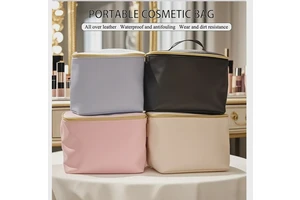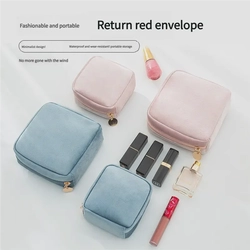
Cosmetic Bag Quality Check: Complete Guide for Importers, Brands, and Wholesalers
Cosmetic Bag Quality Check: Complete Guide for Importers, Brands, and Wholesalers
Ensuring the quality of cosmetic bags before shipment is essential for maintaining your brand reputation, reducing returns, and avoiding customer complaints. This guide covers all key inspection points used by professional QC teams when evaluating cosmetic bags from factories.
For related topics, explore: China cosmetic bag factory.
1. Material Quality Inspection
The first step in cosmetic bag quality control is checking the material.
What to Inspect
Thickness — Is the material consistent with the specification?
Texture — Smooth, soft, or premium feel depending on the material.
Color consistency — No discoloration or uneven dyeing.
Odor — Especially important for PVC/TPU/EVA bags.
Waterproof performance — For travel and toiletry bags.
Learn more: cosmetic bag materials.
2. Stitching & Construction Quality
Stitching is one of the most important indicators of overall quality.
Checklist
Even and straight stitching
No loose threads
Reinforced corners
Strong seams
No skipped stitches
Clean interior finishing
Poor stitching leads to early product failure and customer dissatisfaction.
3. Zipper Quality Check
The zipper is the most frequently used component of a cosmetic bag — it must be smooth and durable.
What to Test
Smooth opening and closing
No snagging
Zipper teeth alignment
Strong zipper puller
Color matches the bag
Double zipper functionality (if applicable)
Explore: cosmetic bag zippers.
4. Logo & Printing Inspection
Branding must be clean, accurate, and durable.
Check for
Clear and sharp printing
No fading or peeling
Correct logo placement
Embroidery alignment
Metal logo plate attachment
UV printing clarity (for PVC/TPU bags)
Learn more: makeup bag printing methods.
5. Shape & Structure Consistency
A high‑quality cosmetic bag must maintain its intended shape.
Inspect
Symmetrical shape
Correct dimensions
Firm structure (if reinforced)
No deformation during use
Proper alignment of panels
6. Lining & Interior Quality
The inside of the bag is just as important as the outside.
Check
Clean stitching
No glue marks
Waterproof lining (if required)
Functional pockets
Elastic holders sewn securely
No wrinkles or fabric damage
7. Hardware & Accessories
Hardware includes zippers, hooks, rings, and metal plates.
Inspect
No rust or scratches
Strong attachment
Smooth edges
Consistent color plating
Secure rivets
8. Odor & Cleanliness Check
Especially important for PVC/TPU/EVA bags.
Check
No strong chemical smell
No dust or stains
No fingerprints on transparent bags
9. Packaging Quality
Packaging affects retail presentation and protects the product during shipping.
Inspect
Clean OPP bags
Correct labeling
Barcode accuracy
No wrinkles or damage
Proper sealing
10. Final Random Sampling (AQL Standard)
Professional QC teams use AQL (Acceptable Quality Limit) standards.
Typical AQL levels:
AQL 2.5 for major defects
AQL 4.0 for minor defects
This ensures consistent quality across the entire batch.
Conclusion
A thorough cosmetic bag quality check ensures your products meet brand standards and customer expectations. By inspecting materials, stitching, zippers, logos, structure, and packaging, you can significantly reduce defects and improve customer satisfaction.