How to Choose Colors for Cosmetic Bag Collections?
How to Choose Colors for Cosmetic Bag Collections
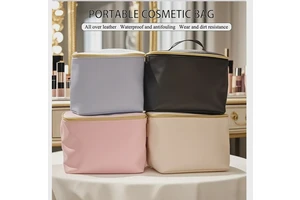
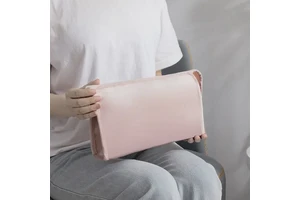
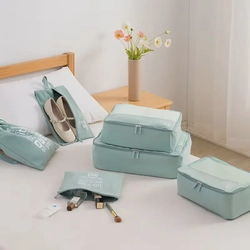
Color is one of the most powerful elements in cosmetic bag design. It influences customer perception, communicates brand identity, drives purchase decisions, and determines how your products stand out on shelves or online listings. Whether you are creating luxury cosmetic bags, eco‑friendly collections, travel organizers, or seasonal gift sets, choosing the right colors is essential for building a cohesive and attractive product line.
This guide explains how to select colors strategically for cosmetic bag collections that appeal to your target audience and strengthen your brand.
1. Understand Your Target Audience
Different audiences respond to different color styles. Before choosing colors, define who your cosmetic bags are designed for.
Audience‑based color preferences
Luxury consumers → black, white, beige, gold, navy
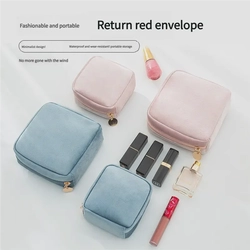
Teenagers → pink, lavender, mint, pastel tones
Eco‑friendly buyers → earth tones, natural beige, olive green
Travel customers → navy, grey, black, burgundy
Fashion‑forward buyers → bold colors, seasonal trends
Why it matters
Color must match the lifestyle, taste, and expectations of your target customers.
2. Align Colors With Your Brand Identity
Your color palette should reflect your brand personality.
Brand identity examples
Minimalist brand → monochrome, neutral tones
Luxury brand → metallic accents, deep colors
Eco brand → natural greens, browns, off‑white
Beauty brand → soft pastels, feminine tones
Travel brand → practical, dark, durable colors
Why it matters
Consistent colors strengthen brand recognition across all product lines.
3. Choose a Core Color Palette for Your Collection
Every cosmetic bag collection should have a core palette of 2–4 main colors.
Examples of strong core palettes
Luxury collection → black, champagne, rose gold
Eco collection → beige, olive, natural canvas
Travel collection → navy, grey, burgundy
Fashion collection → pastel pink, lavender, mint
Professional makeup artist collection → black, silver, matte transparent
Why it matters
A core palette creates visual consistency and makes your collection look cohesive.
4. Use Seasonal Color Trends
Seasonal colors help your cosmetic bags stay relevant and attractive.
Spring
Pastel pink
Mint green
Lavender
Soft yellow
Summer
Coral
Aqua blue
Bright orange
Tropical green
Autumn
Burgundy
Olive green
Mustard
Chocolate brown
Winter
Navy
Silver
Gold
Deep emerald
Why it matters
Seasonal colors increase sales during holiday and promotional periods.
5. Consider Material Color Behavior
Different materials show color differently. Choose colors based on how the material reacts.
PVC / TPU / EVA (transparent materials)
Works well with clear, frosted, tinted, or metallic colors
Soft pastel tints look premium
Dark colors may reduce transparency
Nylon / Polyester
Supports bright colors and patterns
Matte or glossy finishes change color intensity
Canvas
Natural beige looks eco‑friendly
Earth tones appear more premium
Bright colors may look less saturated
Why it matters
Material affects how the final color appears to customers.
6. Use Accent Colors to Add Luxury and Style
Accent colors elevate the design without overwhelming it.
Best accent colors
Gold
Rose gold
Silver
Matte black
White
Metallic blue
Where to apply accent colors
Zippers
Pullers
Logo plates
Stitching
Handles
Edge binding
Why it matters
Accent colors add sophistication and make your cosmetic bags look more premium.
7. Create Color Variations for Different Markets
Different markets prefer different colors.
USA
Black
Navy
Pastel tones
Transparent bags
Europe
Neutral tones
Earth colors
Minimalist palettes
Middle East
Gold
Rose gold
Deep jewel tones
Asia
Pink
Lavender
Soft pastel colors
Why it matters
Color localization increases sales in global markets.
8. Use Color Psychology to Influence Buyers
Color psychology affects how customers feel about your products.
Color meanings
Black → luxury, power, elegance
White → purity, simplicity, cleanliness
Pink → femininity, softness, beauty
Blue → trust, calm, reliability
Green → nature, eco‑friendly, freshness
Gold → premium, exclusivity, luxury
Silver → modern, professional, high‑tech
Why it matters
Color psychology helps you design bags that connect emotionally with customers.
9. Test Colors With Samples Before Mass Production
Always test colors before finalizing your collection.
Testing checklist
Compare Pantone colors with actual material
Check color under natural and indoor lighting
Test printing colors on the chosen material
Ensure zipper and puller colors match the bag
Confirm color consistency across multiple samples
Why it matters
Color variations can occur between digital design and real materials.
10. Build a Long‑Term Color Strategy
Your brand should have a long‑term color plan.
Long‑term strategy includes
Core brand colors
Seasonal colors
Limited‑edition colors
Market‑specific colors
Trend‑based colors
Why it matters
A long‑term strategy keeps your brand consistent while allowing creative flexibility.
Final Thoughts
Choosing colors for cosmetic bag collections is both an art and a strategy. When you understand your audience, align colors with your brand identity, consider material behavior, and use seasonal trends, you can create cosmetic bags that are visually appealing, cohesive, and commercially successful.