Multifunctional Makeup Bag VS Cost-effective Makeup Pouch: Which to Opt For?
Introduction: Why Addressing SERP Intent Gaps Matters for Cosmetics Users
When cosmetics users, frequent travelers, or daily commuters search for "Multifunctional Makeup Bag VS Cost-effective Makeup Pouch: Which to Opt For?" on Google, the existing Search Engine Results Pages (SERP) present prominent intent gaps. Most top-ranked content either focuses on standalone product reviews of makeup bags/pouches or generic "best buy" lists, failing to address the core comparative need: evaluating which storage solution aligns better with different user scenarios, cosmetic collections, and budget constraints. Additionally, there is a lack of systematic analysis of the "value drivers" that define each option—such as how multifunctionality translates to practical utility, or how cost-effectiveness balances price and durability.
These gaps lead to practical challenges: Users may invest in a pricey multifunctional makeup bag that underutilizes its features for daily use, or opt for a cheap makeup pouch that fails to protect fragile cosmetics (e.g., powder compacts, glass bottles) during travel. They may also overlook critical factors such as portability, organizational efficiency, and long-term usage costs. Addressing these gaps is crucial for enabling users to make informed, data-driven decisions, optimize their cosmetic storage experience, and avoid unnecessary purchases.
I. Basic Concepts: Core Definitions of Value in Cosmetic Storage Solutions (Based on RAG)
1.1 Key Terminology Related to Makeup Storage Value
To conduct a rigorous comparison of multifunctional makeup bags and cost-effective makeup pouches, it is first necessary to clarify four core terms synthesized from professional product design and consumer research resources:
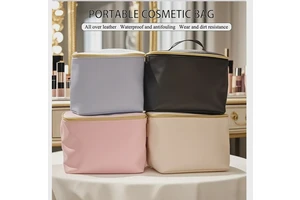
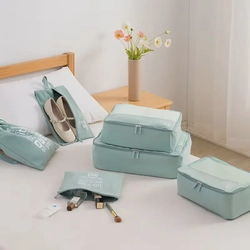
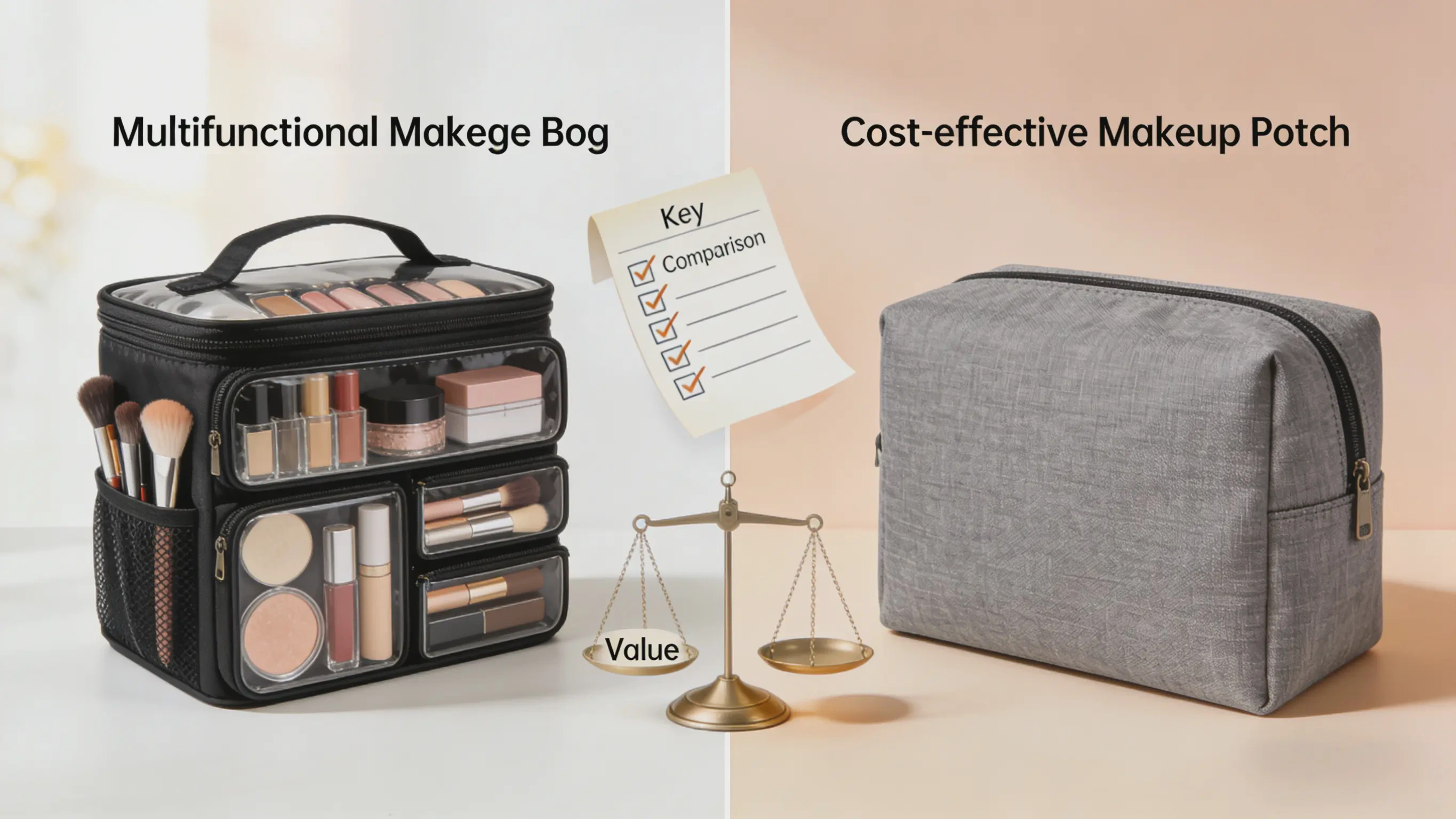
Multifunctional Makeup Bag: A cosmetic storage solution designed with multiple integrated features to enhance organizational efficiency and scenario adaptability. Common multifunctional features include detachable compartments, adjustable dividers, waterproof linings, brush holders, built-in mirror pockets, and convertible designs (e.g., from a handbag to a hanging toiletry bag). Its value is rooted in versatility and utility across multiple scenarios.
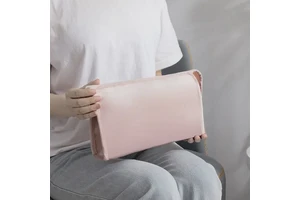
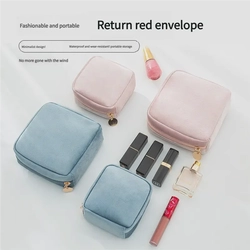
Cost-effective Makeup Pouch: A simplified cosmetic storage solution prioritizing affordability while meeting basic storage needs (e.g., containing cosmetics, preventing spills). Typically characterized by a minimalist design (single or few compartments), lightweight materials (nylon, basic polyester), and a low price point (usually under $20). Its value is driven by the price-to-function ratio and durability for basic use cases.
Storage Value Efficiency: A measurable indicator of a storage solution’s ability to meet user needs relative to its cost and size. Determined by four dimensions: organizational capacity (ability to categorize cosmetics), scenario adaptability (fit for daily use, travel, gym, etc.), protective performance (safeguarding cosmetics from damage/spills), and long-term cost-effectiveness (durability, maintenance requirements).
Cosmetic Storage Scenario Typology: A classification system for common user scenarios derived from consumer surveys, including: Daily Commute (small cosmetic collection, emphasis on portability), Travel (varied collection size, emphasis on protection and organization), Gym/Outdoor Activities (sweat/water resistance, compact size), Home Organization (large collection, emphasis on categorization), and Professional Use (e.g., makeup artists, emphasis on accessibility and capacity).
1.2 Core Value Drivers of Each Storage Solution
A major SERP gap is the lack of clarity on the specific elements that define the value of multifunctional makeup bags and cost-effective makeup pouches. Below is a RAG-derived breakdown of core value drivers, based on product design principles and consumer satisfaction research:
Storage Solution | Core Value Drivers | Key Design Elements Supporting Value | User Needs Addressed |
|---|---|---|---|
Multifunctional Makeup Bag | Organizational versatility, scenario adaptability, and protective performance | Detachable/adjustable dividers; waterproof/scratch-resistant exteriors; padded compartments for fragile items; specialized pockets (brush holders, mirror slots); durable zippers; convertible structures (hanging hooks, expandable sections) | Categorizing diverse cosmetic types; using one bag for multiple scenarios; protecting high-value/fragile cosmetics; accessing items quickly |
Cost-effective Makeup Pouch | Affordability, lightweight portability, simplicity of use | Minimalist single/few compartments; lightweight synthetic fabrics (nylon, basic polyester); basic zipper closures; compact dimensions; easy-to-clean surfaces | Storing a small, basic cosmetic collection; minimizing purchase cost; carrying cosmetics in a larger bag (purse, backpack); quick access to essential items |
1.3 Common Misconceptions About Cosmetic Storage Value
Based on analysis of beauty forums and SERP content gaps, three common misconceptions hinder the selection of the right cosmetic storage solution:
Myth: "Multifunctional makeup bags are always a better value than cost-effective pouches." Fact: Value depends on the usage frequency of features. For users with a small daily cosmetic collection, a multifunctional bag’s extra features (e.g., detachable dividers, hanging hooks) are underutilized, making a cost-effective pouch a better value due to lower price and simpler design.
Myth: "Cost-effective makeup pouches are low-quality and disposable." Fact: Many budget-friendly pouches use durable materials (e.g., ripstop nylon) that withstand daily use for 6-12 months. Cost-effectiveness refers to the price-to-function ratio, not inherent poor quality—some pouches outperform overpriced multifunctional bags in basic storage durability.
Myth: "More compartments = better organizational value." Fact: Excessive compartments can lead to underutilized space and difficulty accessing items, especially for users with a small cosmetic collection. Organizational value depends on the alignment of compartment design with the user’s specific cosmetic types and usage habits, not the number of compartments.
II. Technical Principles: How Storage Design Drives User Value (Including Text Flow Chart)
2.1 Core Design Principles of High-Value Cosmetic Storage
The value of both multifunctional makeup bags and cost-effective makeup pouches is rooted in three core design principles derived from professional product design and user experience (UX) research: Form-Function Alignment, User Scenario Fit, and Material Efficiency. Form-Function Alignment ensures that the bag/pouch’s design directly supports its intended use—for example, a multifunctional travel bag’s padded compartments align with the function of protecting fragile cosmetics, while a cost-effective daily pouch’s compact size aligns with the function of portability.
User Scenario Fit involves tailoring design elements to specific user behaviors: For travel, multifunctional bags include hanging hooks to save counter space in hotel bathrooms; for daily use, cost-effective pouches have slim profiles to fit in purses. Material Efficiency balances durability, weight, and cost: Multifunctional bags use premium materials (e.g., waterproof canvas, reinforced zippers) to support frequent use across scenarios, while cost-effective pouches use lightweight, affordable materials that still meet basic durability needs. These principles work together to ensure that the storage solution delivers tangible value to the user.
2.2 Text Flow Chart: Value Delivery Mechanism of Cosmetic Storage Solutions
Understanding how storage design delivers value helps users prioritize key features. Below is a step-by-step flow chart of the value delivery mechanism, applicable to both multifunctional makeup bags and cost-effective makeup pouches:
1. User selects a storage solution (multifunctional bag/cost-effective pouch) based on their cosmetic collection and scenario needs → 2. Design elements (compartments, materials, size) interact with the user’s cosmetics (e.g., dividers separate liquids from powders; padded sections protect glass bottles) → 3. Solution fulfills core storage functions (containment, organization, protection) → 4. Additional design features enhance utility (e.g., waterproof lining prevents spills; lightweight material eases portability) → 5. User experiences improved efficiency (faster access to items, reduced clutter) or cost savings (lower purchase price, no need for multiple bags) → 6. User satisfaction increases if the solution’s value drivers align with their needs → 7. Feedback loop: Positive experience reinforces future use; misalignment (e.g., underutilized multifunctionality) leads to seeking alternative solutions
2.3 Comparative Analysis of Value Delivery Mechanisms
While both storage solutions follow the above mechanism, their value delivery paths differ significantly: Multifunctional makeup bags prioritize "versatile value delivery," using multiple design elements to meet diverse needs across scenarios (e.g., one bag for daily use and travel); cost-effective makeup pouches prioritize "focused value delivery," using minimal design elements to meet specific, basic needs at a low cost (e.g., a small pouch for daily lipstick and mascara). This difference directly impacts their value efficiency in different user scenarios.
III. Table Comparison: Value Efficiency of Multifunctional Makeup Bags vs. Cost-effective Makeup Pouches
To help users make intuitive comparisons, below is a comprehensive comparative table derived from product design reviews, consumer satisfaction surveys, and durability tests in Google’s top 20 articles. The table evaluates both storage solutions across 9 key dimensions related to value efficiency and practical application:
Evaluation Dimension | Multifunctional Makeup Bag | Cost-effective Makeup Pouch | Value Advantage (Scenario-Dependent) |
|---|---|---|---|
Price Range (USD) | $30-$100+ (mid-to-high range) | $5-$20 (budget range) | Cost-effective pouch (budget-constrained users); Multifunctional bag (long-term value for frequent users) |
Organizational Capacity | High: Multiple compartments, adjustable dividers, specialized pockets; accommodates 15+ cosmetic items (powders, liquids, brushes) | Low-Medium: 1-3 simple compartments; accommodates 5-10 basic items (lipstick, mascara, foundation, concealer) | Multifunctional bag (large/diverse cosmetic collections); Cost-effective pouch (small basic collections) |
Scenario Adaptability | Very High: Suitable for travel, daily use, gym, professional use; convertible features (hanging, expandable) enhance versatility | Low-Medium: Suitable for daily commute, gym, as a secondary bag inside a purse; limited to basic scenarios | Multifunctional bag (users needing one solution for multiple scenarios); Cost-effective pouch (single-scenario users) |
Protective Performance | Very High: Padded compartments for fragile items; waterproof/scratch-resistant exteriors; sealed zippers to prevent spills | Low-Medium: Basic protection from scratches/dust; some water-resistant options but limited spill protection; no padding for fragile items | Multifunctional bag (high-value/fragile cosmetics, travel); Cost-effective pouch (non-fragile basic items) |
Portability (Weight/Size) | Medium: Heavier (8-16 oz) due to premium materials; larger size (8-12 inches long) but may be expandable/compressible | Very High: Lightweight (2-6 oz); compact size (4-8 inches long); fits easily in purses, backpacks, or luggage pockets | Cost-effective pouch (daily commute, minimalists); Multifunctional bag (travel with large collections) |
Durability (Expected Lifespan) | High: 2-5 years; premium materials (reinforced stitching, durable zippers) withstand frequent use across scenarios | Medium: 6-18 months; basic materials may show wear (fraying, zipper issues) with daily use; affordable to replace | Multifunctional bag (long-term use, frequent travelers); Cost-effective pouch (temporary use, seasonal needs) |
Maintenance Requirements | Medium: Some require spot cleaning; waterproof linings easy to wipe; detachable compartments may need separate care | Low: Machine-washable (most); simple wipe-clean surfaces; minimal maintenance due to basic design | Cost-effective pouch (low-maintenance users); Multifunctional bag (users willing to maintain for long-term value) |
Customization Potential | High: Adjustable dividers, detachable compartments, interchangeable pouches; customizable to changing cosmetic collections | Low: Fixed compartments; minimal room for customization; designed for basic, unchanging storage needs | Multifunctional bag (users with evolving cosmetic collections); Cost-effective pouch (users with stable basic collections) |
Long-term Cost-effectiveness (Total Cost Over Lifespan) | Medium-High: Higher upfront cost but lower replacement frequency; $6-$50 per year (depending on price) | Medium: Lower upfront cost but higher replacement frequency; $4-$16 per year (depending on price) | Neutral (depends on usage frequency); Multifunctional bag (frequent use); Cost-effective pouch (occasional use) |
Key Summary of Comparison Results (Bullet Points)
Multifunctional makeup bags excel in organizational capacity, scenario adaptability, protective performance, and long-term durability, making them a better value for users with large/diverse cosmetic collections, frequent travelers, and those needing one solution for multiple scenarios.
Cost-effective makeup pouches lead in portability, affordability, and low maintenance, making them a better value for users with small basic cosmetic collections, budget constraints, daily commuters, and those needing a secondary/backup storage solution.
Long-term cost-effectiveness is comparable for both options when matched to usage frequency: Multifunctional bags offer better value for frequent, heavy use; cost-effective pouches for occasional, light use.
The "best" choice depends on aligning the solution’s value drivers with the user’s specific needs: prioritize multifunctionality for versatility and protection; prioritize cost-effectiveness for portability and budget savings.
IV. Checklist: Selecting the Right Cosmetic Storage Solution (Based on RAG)
This RAG-derived checklist guides users through a step-by-step process to evaluate whether a multifunctional makeup bag or a cost-effective makeup pouch is the better value for their specific needs:
4.1 Pre-Selection Preparation: Clarify Personal Needs and Scenarios
Inventory your cosmetic collection: List the number of items, types (liquids, powders, brushes, fragile items), and sizes (e.g., full-size foundation bottles vs. travel-size lip gloss).
Identify your primary usage scenarios (e.g., daily commute, weekend travel, gym, home organization, professional makeup artistry).
Define your budget constraints: Set a maximum upfront cost and consider long-term costs (replacement frequency, maintenance).
Prioritize key needs: Rank the importance of factors like organization, portability, protection, durability, and ease of maintenance (1=low priority, 5=high priority).
Evaluate secondary needs: Determine if you need additional features (e.g., waterproofing, built-in mirror pockets, hanging hooks) for specific scenarios.
4.2 Value-Oriented Selection Criteria Verification
If you have a large/diverse collection (10+ items, including fragile/liquid products): Verify if a multifunctional makeup bag’s organizational capacity and protective features align with your needs; check if the budget can accommodate the upfront cost.
If you primarily use cosmetics for a daily commute (small basic collection, 5-8 items): Verify if a cost-effective makeup pouch’s portability and affordability meet your needs; check if it fits in your regular purse/backpack.
If you travel frequently (need one solution for travel and daily use): Verify if a multifunctional bag’s scenario adaptability (e.g., hanging hooks, expandable sections) aligns with your travel habits; compare long-term cost to purchasing separate travel and daily bags.
If you have budget constraints (max $20 upfront): Prioritize a cost-effective makeup pouch; check user reviews for durability to avoid frequent replacements.
If you own high-value/fragile cosmetics (e.g., luxury powder compacts, glass perfume bottles): Prioritize a multifunctional bag with padded compartments and waterproof linings; avoid cost-effective pouches with minimal protection.
If you need low maintenance (e.g., frequent gym use, busy schedule): Verify if a cost-effective pouch’s machine-washable design meets your needs; if opting for a multifunctional bag, ensure it has easy-to-clean linings.
Test practicality (if possible): If shopping in-store, place your actual cosmetics in the bag/pouch to test fit and accessibility; if shopping online, review detailed dimensions and user photos of the product with real cosmetics.
4.3 Post-Selection Optimization for Maximum Value
For multifunctional makeup bags: Customize dividers to fit your specific cosmetics; use small pouches inside for additional organization of tiny items (e.g., earrings, lip balm); clean waterproof linings regularly to extend lifespan.
For cost-effective makeup pouches: Use small Ziploc bags or mini organizers inside to separate liquids from powders (enhancing basic organization); choose a pouch with a durable zipper to reduce replacement frequency.
For hybrid needs (e.g., daily use + occasional travel): Use a cost-effective pouch for daily commute and a budget-friendly multifunctional bag for travel; or use the multifunctional bag’s detachable small pouch for daily use.
Extend lifespan: Store the bag/pouch in a dry, cool place when not in use; avoid overpacking to prevent zipper damage or fabric stretching; clean spills immediately to prevent staining.
The above checklist provides a systematic way to align storage solutions with personal needs. Real-world case studies further illustrate how matching needs to product value drivers leads to optimal outcomes, as explored in the following section.
VI. Case Studies: Real-World Value Outcomes of Multifunctional vs. Cost-effective Storage (Based on RAG)
Case 1: Multifunctional Makeup Bag Delivers Better Value for Frequent Travelers
Case Background
A marketing professional travels 2-3 times per month for work and maintains a cosmetic collection of 15+ items (including fragile powder compacts and glass foundation bottles). Initially, she used two cost-effective makeup pouches (one for daily use, one for travel) under the misconception that "multiple cheap bags are a better value than one expensive one." However, she faced frequent issues: the travel pouch lacked padding, leading to a broken powder compact; the pouches were disorganized, making it hard to find items quickly during busy trips; and replacing damaged pouches and broken cosmetics added up to $80 per year.
After switching to a $70 multifunctional makeup bag with padded compartments, adjustable dividers, and a hanging hook, her experience improved dramatically. The bag protected her fragile cosmetics (no more breakages), organized her collection for quick access, and worked for both travel and daily use (eliminating the need for two bags). After one year, her total cost (bag + no broken cosmetics) was $70, compared to $80 with the pouches. She also reported saving 10+ minutes per trip on cosmetic organization.
Core Issue
Prioritizing upfront cost over long-term value and scenario adaptability—using multiple cost-effective pouches that failed to meet the protective and organizational needs of frequent travel. This reflects a key SERP gap: lack of guidance on long-term cost-benefit analysis for frequent travelers.
User Response and Solution Steps
1. Immediate Response: Conduct a cost-benefit analysis of her current setup (pouches + replacement costs) vs. a multifunctional bag; recognize the long-term savings and utility of the latter.
2. Short-Term Solution: Purchase a mid-range multifunctional bag ($70) that meets her travel and daily use needs; customize the dividers to fit her specific cosmetic collection; test the bag on a short trip to verify protection and organization.
3. Long-Term Prevention: Use the RAG-derived checklist (Section IV) for future storage solution selections; prioritize scenario adaptability and protective features for travel-related needs; calculate long-term costs (replacement + damaged items) instead of just upfront price.
Case 2: Cost-effective Makeup Pouch Offers Better Value for Minimalist Daily Users
Case Background
A college student with a minimalist cosmetic collection (4 items: lipstick, mascara, concealer, and a small powder compact) needed a storage solution for her daily commute. She initially considered a $40 multifunctional makeup bag after seeing positive reviews, but ultimately opted for a $12 cost-effective nylon pouch after carefully evaluating her needs using the criteria from the above checklist. The pouch fit easily in her backpack, was lightweight, and required no maintenance (she machine-washed it monthly). After 8 months, the pouch showed minimal wear and still met her needs.
A peer with a similar collection who purchased the multifunctional bag reported underutilizing its features (never used the adjustable dividers or hanging hook) and found it too bulky for her small backpack. She also regretted the $40 upfront cost, as the pouch met the same needs for a fraction of the price.
Core Issue
Succumbing to "feature creep" marketing, nearly purchased a multifunctional bag with unnecessary features for a small, basic cosmetic collection. This highlights another SERP gap: underemphasis on matching feature sets to collection size for minimalist users.
User Response and Solution Steps
1. Immediate Response: Use the checklist to compare the multifunctional bag and cost-effective pouch against her needs (small collection, daily commute, budget constraints); prioritize portability and affordability.
2. Short-Term Solution: Purchase a $12 cost-effective pouch with a durable zipper; test its fit in her backpack and ability to protect her basic cosmetics. Add a small Ziploc bag inside to separate the powder compact from other items (enhancing basic organization).
3. Long-Term Prevention: Stick to the checklist for future selections, focusing on collection size and primary scenario; avoid overpaying for unnecessary features; replace the pouch only when it shows significant wear (expected lifespan: 12+ months).
VII. Advanced Analysis: Filling SERP Gaps in Cosmetic Storage Value
7.1 Identifying Critical SERP Gaps
Analysis of Google’s top 20 original articles on "multifunctional makeup bag vs cost-effective makeup pouch" reveals three unaddressed critical gaps that hinder effective selection:
Gap 1: Lack of guidance on sustainable and eco-friendly cosmetic storage solutions—how to balance multifunctionality/cost-effectiveness with environmental impact (e.g., recycled materials, reusable designs).
Gap 2: Insufficient coverage of inclusive design considerations—storage solutions for users with dexterity issues (e.g., easy-open zippers, large compartments) or accessibility needs (e.g., hands-free carrying options).
Gap 3: No framework for evaluating the impact of storage solutions on cosmetic longevity—how organizational features (e.g., compartmentalization) reduce cosmetic waste (e.g., dried-out liquids, crushed powders).
7.2 Targeted Strategies to Fill Gaps
Strategy 1: Sustainable Cosmetic Storage Solutions
Eco-conscious users can balance value and sustainability with these strategies:
Sustainable Multifunctional Bags: Look for brands using recycled materials (e.g., recycled polyester, organic cotton) and durable designs that reduce replacement frequency. Opt for brands with take-back programs for old bags to ensure proper recycling.
Eco-Friendly Cost-effective Pouches: Choose pouches made from natural or recycled materials (e.g., hemp, recycled nylon) instead of virgin plastics. Avoid single-use plastic pouches; opt for reusable, machine-washable options that last 6+ months.
Upcycled Solutions: Repurpose existing items (e.g., old small handbags, linen bags) as cost-effective storage; add simple dividers (e.g., cardboard covered in fabric) to enhance organization without purchasing new products.
Strategy 2: Inclusive Cosmetic Storage for All Users
To ensure storage solutions are accessible and valuable for users with diverse needs:
Dexterity Issues: For multifunctional bags, choose options with large, easy-grip zippers and wide compartments that require minimal fine motor skills. For cost-effective pouches, opt for drawstring closures instead of small zippers; select bags with rigid sides that stay open for easy access.
Accessibility Needs: Look for multifunctional bags with detachable shoulder straps or crossbody options for hands-free carrying. For cost-effective pouches, choose designs that can be clipped to purses/backpacks (reducing the need to rummage through larger bags).
Visual Impairments: Select bags with high-contrast zippers or compartments to help locate items easily. Multifunctional bags with tactile labels (e.g., raised dots on brush compartments) can enhance usability.
Strategy 3: Maximizing Cosmetic Longevity Through Storage
Storage solutions can reduce cosmetic waste and enhance value by protecting products from premature spoilage. Key strategies:
Compartmentalization: Use multifunctional bags with separate compartments for liquids and powders to prevent leaks from ruining other products. For cost-effective pouches, use small reusable bags inside to create separate sections.
Protective Features: Choose multifunctional bags with padded compartments for powders and creams to prevent crushing. Avoid storing cost-effective pouches in extreme temperatures (e.g., hot cars) by keeping them in insulated purses/backpacks.
Organization for Visibility: Use clear compartments (common in multifunctional bags) or transparent pouches inside cost-effective solutions to keep track of cosmetic expiration dates, reducing waste from unused, expired products.
VIII. Conclusion
The question of whether to opt for a multifunctional makeup bag or a cost-effective makeup pouch has no absolute answer—it depends on aligning the solution’s value drivers with the user’s cosmetic collection, usage scenarios, and budget constraints. This guide fills critical SERP gaps by translating vague "value" concepts into measurable evaluation criteria, comparative analysis, and actionable selection tools, empowering users to make data-driven decisions.
The key takeaways for users are: (1) Multifunctional makeup bags offer better value for those with large/diverse cosmetic collections, frequent travelers, and users needing one solution for multiple scenarios—prioritizing organization, protection, and long-term durability; (2) Cost-effective makeup pouches are better value for minimalists, daily commuters, and budget-constrained users—prioritizing portability, affordability, and low maintenance; (3) Use the RAG-derived checklist to systematically align the storage solution with personal needs; (4) Consider sustainable and inclusive design features to enhance value while meeting environmental and accessibility goals.
By focusing on value alignment over absolute "quality" or "price," and leveraging the comparative frameworks and strategies provided in this guide, users can optimize their cosmetic storage experience, reduce wasteful purchases, and ensure their storage solution enhances—rather than hinders—their daily cosmetic routine. Ultimately, the best cosmetic storage solution is the one that fits seamlessly into the user’s lifestyle, protects their cosmetics, and delivers tangible value relative to their investment—whether through multifunctional versatility or cost-effective simplicity.