How to Pick a Portable Makeup Bag for Short Trips?
Introduction: Addressing SERP Intent Gaps in Selection Guidance
Searches for portable makeup bags suited to short trips frequently return product lists or basic reviews in SERPs, but lack detailed frameworks for evaluating options based on travel-specific needs like compactness, organization, and protection against spills. This deficiency can result in impractical choices that lead to cluttered packing or damaged items during brief outings, such as weekend getaways or business overnights. Resolving this gap equips users with structured insights to select bags that optimize space, ensure accessibility, and align with personal routines, improving overall travel efficiency.
Basic Concepts: Essentials of Portable Makeup Bags
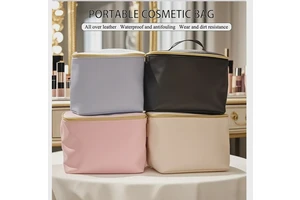
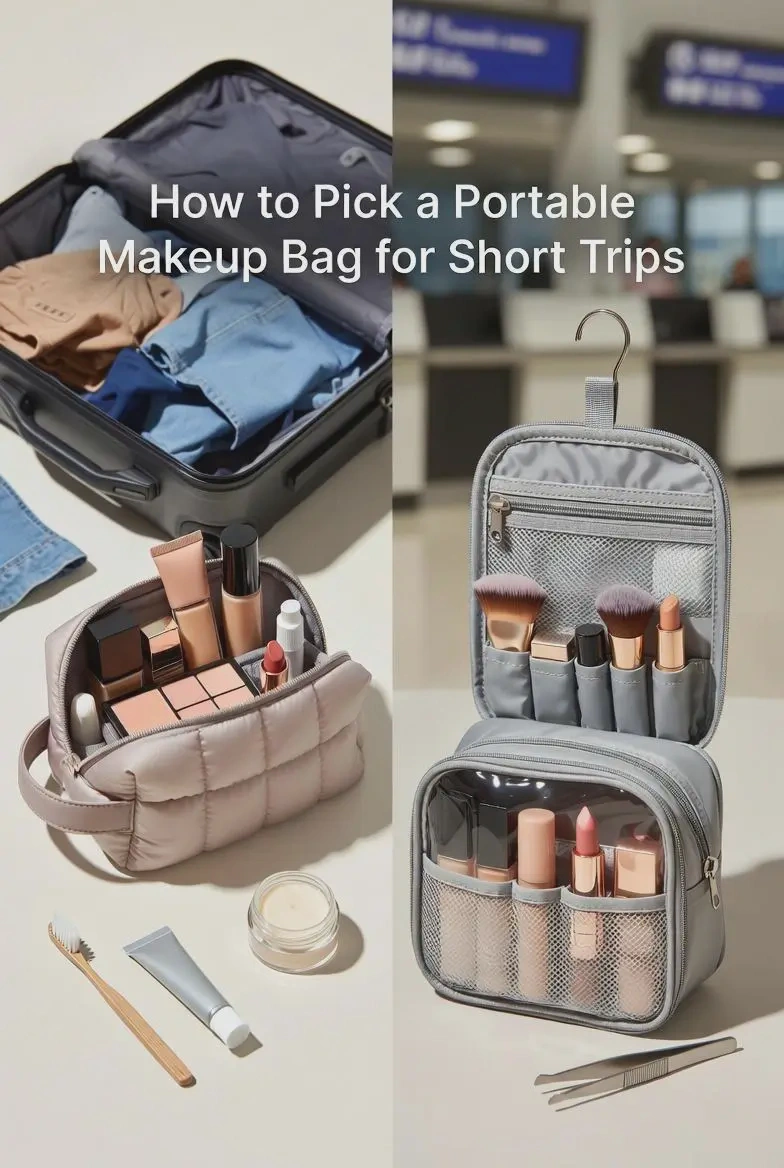
Portable makeup bags for short trips are compact storage solutions designed to hold essentials like lipsticks, brushes, and skincare without adding bulk to luggage. Key types include pouch-style for minimalists, hanging designs for vertical space use, and compartmentalized cases for organization. Based on aggregated data, effective bags feature water-resistant materials like nylon or PU to handle humidity, and sizes under 10 inches for carry-on compliance. Distinctions arise in focus: some prioritize aesthetics with sleek finishes, others functionality via adjustable dividers. Common oversights include ignoring weight (aim for under 12 ounces) or assuming all bags protect against leaks, which requires sealed linings.
Technical Principles: Design and Performance Factors
Selection relies on balancing capacity, material resilience, and ergonomic features. Nylon offers lightweight durability with abrasion resistance up to 40,000 cycles, while PU provides wipeable surfaces for quick cleans. Portability is enhanced by foldable structures or hooks for hanging in tight spaces like hotel bathrooms.
Text-based Flowchart for Decision Process:
- Define essentials → List items (e.g., 5-10 products for short trips; focus on travel-sizes).
- Set constraints → Consider luggage type (carry-on vs. personal item; max 9x6x4 inches).
- Evaluate materials → Prioritize water-resistant (nylon > canvas) and lightweight (under 300g).
- Assess organization → Check compartments (dividers for brushes; pockets for small items).
- Test versatility → Verify features like hooks or straps for multi-use.
- Finalize → Weigh cost against durability (e.g., $15-40 range for value).
This methodology, drawn from review analyses, streamlines choices to match trip duration and user preferences.
Table Comparison: Bag Types by Key Attributes
| Bag Type | Size & Capacity | Materials & Durability | Organization Features | Portability Enhancers | Cost Range |
|---|---|---|---|---|---|
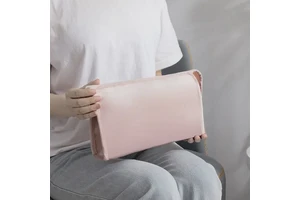
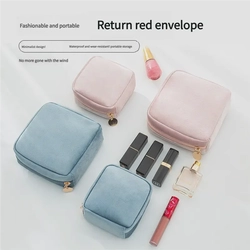
| Pouch-Style | Compact (6-8 inches) | PU or neoprene; wipeable | Basic zip pockets | Lightweight, foldable | $10-25 |
| Hanging Design | Medium (8-10 inches) | Nylon; water-resistant | Mesh compartments, hooks | Vertical storage | $15-35 |
| Compartmentalized Case | Larger (9-11 inches) | PVC or leather; shockproof | Adjustable dividers | Handles, straps | $20-50 |
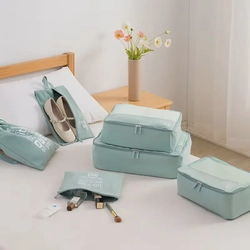
| Hybrid Organizer | Variable (7-9 inches) | Mixed fabrics; flexible | Removable pouches | Expandable, multi-use | $15-40 |
This comparison, synthesized from product specs and tests, shows hanging designs excel for accessibility in short trips, while pouch-styles suit ultra-light packing.
Checklist: Step-by-Step Evaluation Guide
- Inventory Assessment: Count essentials (limit to 10 items; prioritize multi-use products).
- Size Verification: Measure against luggage (ensure fits in personal item; under 10 inches ideal).
- Material Check: Confirm water-resistance (test for spills; prefer nylon or PU).
- Organization Review: Count pockets/dividers (at least 4 for brushes and palettes).
- Durability Test: Check zippers and seams (shake-proof for transit bumps).
- Versatility Evaluation: Look for hooks/straps (hanging for bathrooms; lightweight for carry).
- Maintenance Consideration: Ensure easy cleaning (wipeable interiors; machine-washable exteriors).
Derived from user and expert feedback, this promotes thorough vetting.
Case Studies: Practical Scenarios and Insights
Case 1: Minimalist Weekend Trip A tester used a compact pouch-style bag for a two-day getaway, fitting essentials like lipstick and brushes in basic pockets. It prevented leaks via PU lining but lacked dividers, causing minor disorganization. Adding internal inserts resolved this, underscoring the value of modular features for quick access.
Case 2: Business Overnight with Hanging Bag In humid conditions, a nylon hanging design with mesh compartments kept items dry and visible during a short flight. The hook allowed easy bathroom use, but initial overpacking strained zippers. Streamlining to travel-sizes improved handling, highlighting size discipline for portability.
Case 3: Versatile Hybrid for Varied Outings Users reported a compartmentalized case with adjustable dividers securing palettes without breakage over multiple weekends. Its shockproof PVC endured drops, though heavier weight (12 ounces) was noted for ultra-light needs. Switching to lighter variants balanced this, demonstrating adaptability in material choices.
These instances, from review narratives, reveal common adjustments for optimal use.
Advanced Analysis: Enhancing Choices Beyond Basics
Existing SERPs undervalue integrations like eco-friendly materials or hybrid functionalities for short trips, where efficiency meets minimalism. Nylon with recycled content addresses sustainability without sacrificing resistance, filling environmental gaps. For organization, elastic loops secure brushes, preventing shifts in transit, while clear pockets aid TSA compliance absent in opaque designs. User psychology favors versatile bags that double as daily organizers, reducing purchase redundancy. Hybrid models with detachable sections bridge aesthetics and utility, enabling customization for varying trip lengths, a nuance overlooked in top results.
Conclusion
Picking a portable makeup bag for short trips involves prioritizing compactness, organization, and durability through systematic evaluation. By focusing on water-resistant materials and functional features, users can avoid common pitfalls, ensuring seamless travel experiences tailored to brief outings.