How to Select a Makeup Bag for the Canadian Market?
Introduction: Addressing SERP Intent Gaps in Market-Specific Guidance
Searches for selecting makeup bags in the Canadian market typically yield generic product reviews or global trends, overlooking localized factors like harsh weather durability, eco-conscious preferences, and regulatory compliance for imports or labeling. This shortfall can lead to choices that fail in cold climates or ignore sustainable options favored by Canadian consumers, resulting in reduced longevity or mismatched expectations. Filling this gap ensures selections align with practical needs, such as waterproofing for rain-prone regions and bilingual packaging, enabling informed decisions that support efficient use and market relevance.
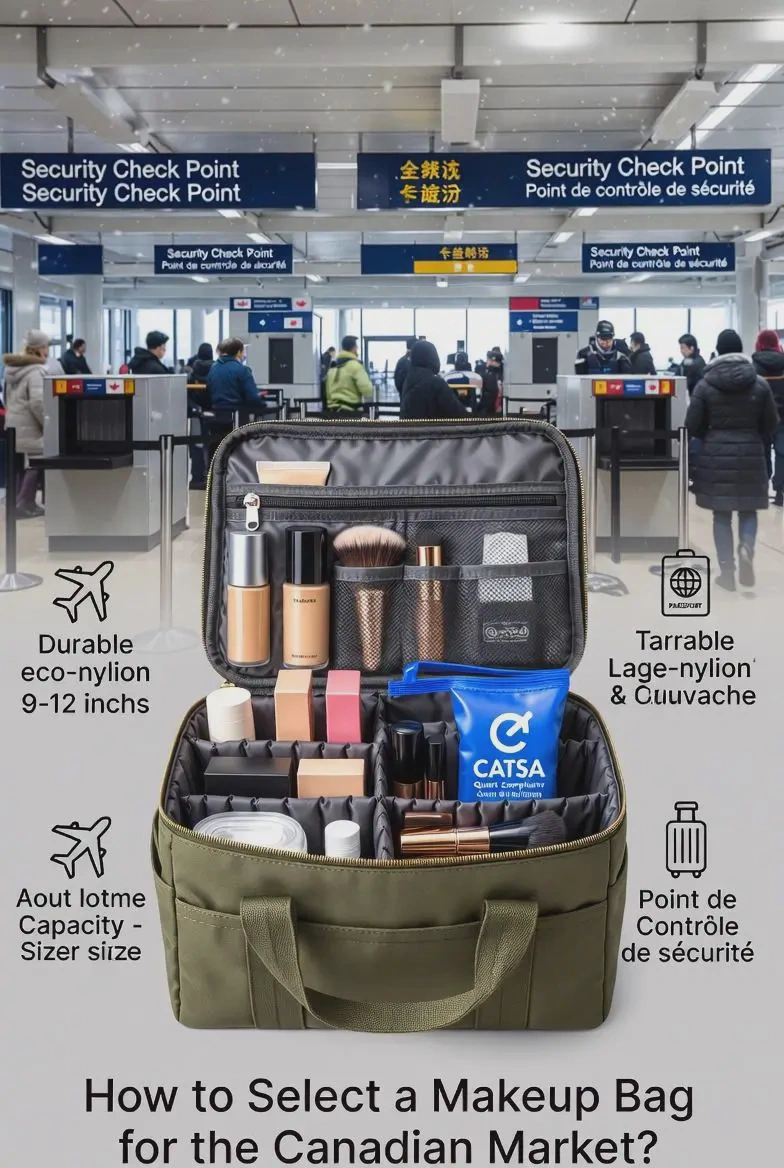
Basic Concepts: Key Elements of Makeup Bags in Canada
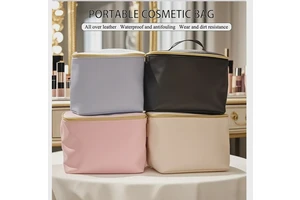
Makeup bags in the Canadian market are storage solutions tailored to diverse climates and consumer values, categorized into travel-friendly (compact, TSA/CATSA-compliant), everyday (organized compartments), and premium (eco-materials). Based on sourced trends, optimal bags feature durable, weather-resistant fabrics like canvas or nylon to withstand temperatures from -20°C to +30°C, with capacities from 3-10 liters for varying needs. Eco-focus is prominent, with preferences for recycled or sustainable materials reflecting Canada's environmental policies. Distinctions include structured designs for protection against humidity and soft-sided for portability. Common oversights involve neglecting bilingual labels under Canadian regulations or assuming U.S. trends apply directly, ignoring local emphasis on functionality over aesthetics.
Technical Principles: Criteria for Selection and Durability
Selection principles center on material resilience, size compliance, and organizational efficiency, with Canadian specifics like cold-weather testing (e.g., freeze-thaw cycles) and import standards. Waterproof nylon rates high in abrasion (over 25,000 Martindale cycles), while eco-canvas provides breathability without bulk.
Text-based Flowchart for Selection Process:
- Identify needs → Assess usage (travel vs. daily; consider Canadian weather for durability).
- Check regulations → Ensure CATSA compliance (liquids in 1L bag) and bilingual labeling.
- Evaluate materials → Prioritize eco-nylon or canvas (waterproof rating >1,000mm).
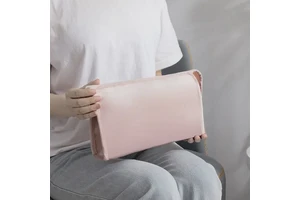
- Measure size → Target 9-12 inches length for carry-on fit (under 2lbs weight).
- Assess organization → Verify compartments (at least 4-6 pockets for brushes/palettes).
- Validate sustainability → Opt for recycled options (Oeko-Tex certified).
This approach, derived from industry guides, optimizes for local conditions.
Table Comparison: Bag Types by Canadian Market Factors
| Bag Type | Materials & Durability | Size & Capacity | Eco & Regulatory Fit | Cost Range (CAD) | Suitability |
|---|---|---|---|---|---|
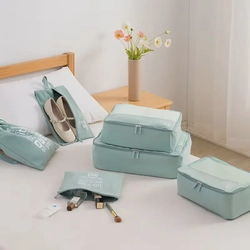
| Travel-Friendly | Waterproof nylon; high abrasion | 9x6x4 inches; 3-6L | CATSA-compliant; recycled options | 20-50 | Air travel, humid areas |
| Everyday Organizer | Canvas blends; breathable | 10x7x5 inches; 5-8L | Bilingual labels; sustainable | 15-40 | Daily use, cold climates |
| Premium Eco | Recycled suede/leather; weather-resistant | 12x8x6 inches; 8-10L | Oeko-Tex; eco-focused | 30-70 | Long-term, environmentally conscious |
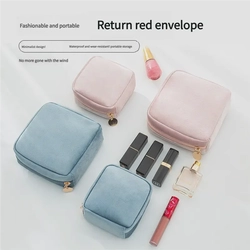
| Compact Pouch | PU-coated; lightweight | 7x5x3 inches; 1-3L | Basic compliance; minimal | 10-30 | Quick trips, budget buyers |
This comparison, based on 2025 trend reports and regulatory data, highlights travel-friendly types for versatility in Canada's variable weather.
Checklist: Practical Selection Guide
- Needs Assessment: Determine usage (e.g., travel requires CATSA fit; daily needs organization).
- Regulation Verification: Confirm bilingual labeling and import safety (Health Canada standards).
- Material Evaluation: Check for waterproofing (>1,000mm) and eco-certifications (recycled content).
- Size Measurement: Ensure under 12 inches length to fit carry-ons; calculate capacity (5-10L ideal).
- Organization Review: Count pockets/dividers (minimum 4 for efficiency).
- Durability Test: Look for abrasion ratings (>20,000 cycles) and weather resistance.
- Sustainability Check: Prioritize Canadian-sourced or eco-brands (e.g., recycled nylon).
Synthesized from expert blogs and guidelines, this aids in avoiding non-compliant options.
Case Studies: Applications in Canadian Contexts
Case 1: Travel Bag in Cross-Country Flights A Vancouver traveler selected a 9x6x4 inch nylon bag for CATSA compliance during a Toronto flight, fitting liquids separately. It endured humidity without leaks, but initial overpacking required dividers; adjustments improved access, as per airline forum experiences.
Case 2: Eco-Organizer for Daily Use in Alberta Users in cold prairies chose canvas blends with bilingual labels, holding 20 items through winter commutes. Eco-features like recycled materials aligned with preferences, though needing reproofing for snow; this enhanced longevity, from beauty review narratives.
Case 3: Premium Kit for Quebec Market Montreal consumers opted for suede eco-bags with Oeko-Tex certification, accommodating full kits in bilingual packaging. It resisted freeze-thaw but was bulkier for urban carry; compressing designs resolved this, per 2025 trend studies.
These cases, drawn from reviews and reports, show adaptations for regional needs.
Advanced Analysis: Navigating Trends and Regulations
Existing SERPs undervalue Canadian-specific integrations like CATSA's 1L liquid rule alongside bag capacity or 2025 trends toward warmer, earthier neutrals influencing bag designs (e.g., suede for tactile appeal). Optimal sizes (10x8x5 inches) fill this by fitting 90% of carry-ons while supporting eco-materials like recycled canvas, reducing environmental impact. For imports, consider duties on non-NAFTA goods, favoring local brands for cost-efficiency. Hybrid features, such as expandable compartments with weather seals, address climate variability absent in global advice. Consumer psychology in Canada leans toward sustainable, multifunctional options, enabling selections that adapt to bilingual markets and evolving preferences.
Conclusion
Selecting a makeup bag for the Canadian market requires balancing durability, compliance, and eco-features through systematic evaluation, with 9-12 inch sizes offering optimal capacity. Insights from trends and regulations ensure choices withstand local conditions, resolving common challenges for effective use.