How to Carry Fragile Makeup Products to Avoid Breakage in Your Bag?
Introduction
Searches for protecting makeup in bags often return travel-specific advice, but SERPs overlook everyday scenarios like commuting or outings where purses experience constant movement. This gap matters as it ignores practical prevention of common issues like powder cracks or liquid leaks, leading to product waste, cleanup hassles, and replacement costs. A targeted guide fills this by providing structured methods for secure carrying, enhancing daily usability and reducing damage risks.
Basic Concepts
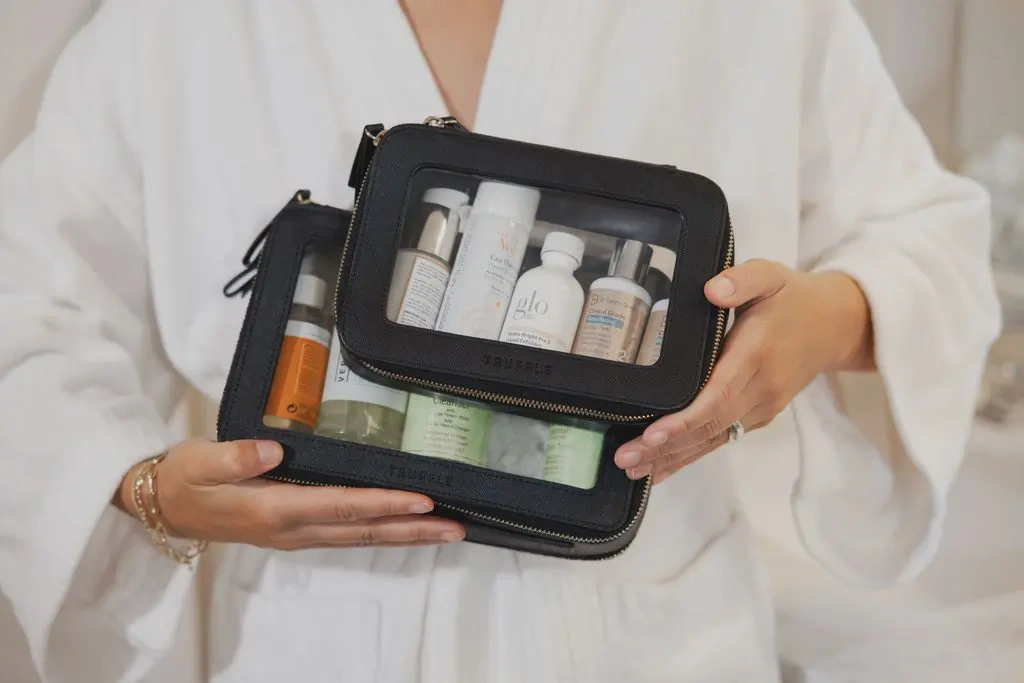
Fragile makeup includes powders like eyeshadows and blushes prone to cracking from impacts, liquids such as foundations that can spill under pressure, and glass items like nail polishes vulnerable to shattering. Breakage stems from shifting during motion, direct hits, or environmental factors like heat causing expansion. Protection relies on isolation, cushioning, and stable positioning to absorb shocks and contain messes. Reusable containers and dividers maintain organization, while materials like silicone or padded fabrics add durability without bulk.
Technical Principles
Securing fragile makeup involves layering defenses against vibration and compression. Padding absorbs energy, separation prevents chain reactions like one item damaging another, and central placement minimizes external forces. For powders, cotton inserts reduce lid-pan contact; liquids benefit from sealed wraps to counter pressure changes.
Text-based flowchart for secure carrying:
- Product Assessment -> Categorize items (powders, liquids, glass) and note vulnerabilities.
- Container Selection -> Choose padded cases or reusable bags for isolation.
- Cushion Application -> Add cotton pads, bubble wrap, or tissue to absorb impacts.
- Sealing and Wrapping -> Use plastic wrap or tape on lids to prevent openings.
- Organization -> Divide into compartments to limit movement.
- Bag Placement -> Position centrally in purse, surrounded by soft items.
- Final Check -> Shake gently to test stability before use.
This process ensures systematic protection.
Comparison Table
| Product Type | Common Risks | Protection Methods | Materials Recommended |
|---|---|---|---|
| Powders (e.g., eyeshadow) | Cracking from impacts | Insert cotton pads, wrap in tissue | Cotton rounds, paper towels |
| Liquids (e.g., foundation) | Leaks from pressure or loosening | Seal with plastic wrap, double-bag | Ziploc bags, silicone containers |
| Glass (e.g., nail polish) | Shattering from drops | Cushion with bubble wrap or socks | Bubble wrap, thick fabrics |
| Creams (e.g., blush) | Melting or separation from heat | Insulate with foil, store upright | Aluminum foil, insulated pouches |
This table contrasts approaches based on item specifics.
Checklist for Secure Carrying
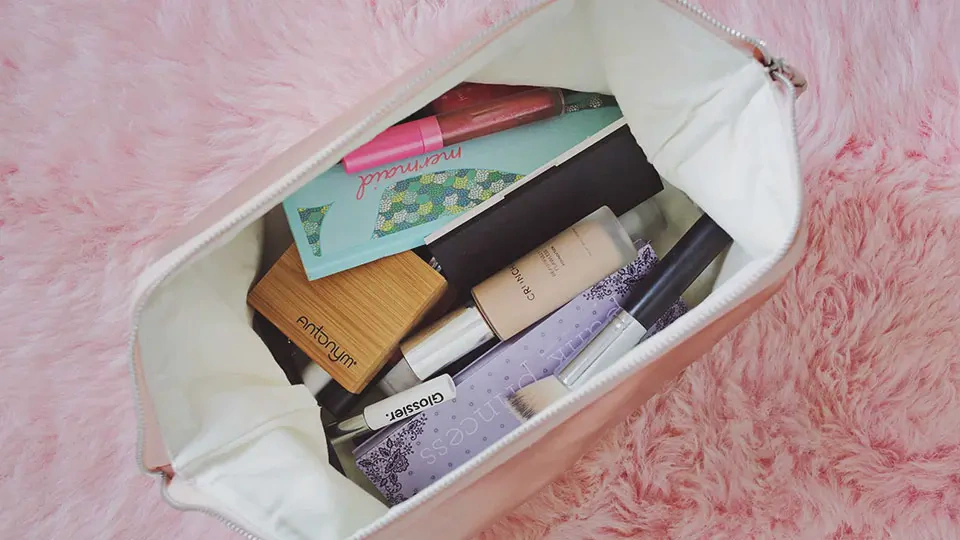
- Categorize Items: Separate fragile from sturdy products.
- Inspect Seals: Check lids for tightness; tape if needed.
- Apply Padding: Use cotton or tissue inside compacts.
- Use Barriers: Wrap liquids in plastic; cushion glass.
- Organize Compartments: Employ dividers or sub-pouches.
- Central Positioning: Place in bag middle, buffered by items.
- Test Stability: Simulate movement to verify security.
- Clean Up Prep: Include wipes for quick spill response.
This ensures comprehensive preparation.
Case Studies
A user shared placing cotton pads in powder compacts to prevent breakage in purses, noting it absorbed shocks effectively during daily carry. In a community discussion, wrapping palettes in bubble wrap and securing with bands protected them in carry-ons, avoiding cracks on flights. Another example involved using Ziploc bags for liquids, which contained a foundation spill without damaging other items in the bag. A traveler cushioned glass bottles with socks, preventing shattering during bumpy transport. One post described sub-purses for organization, reducing clutter and movement that causes damage.
Advanced Analysis
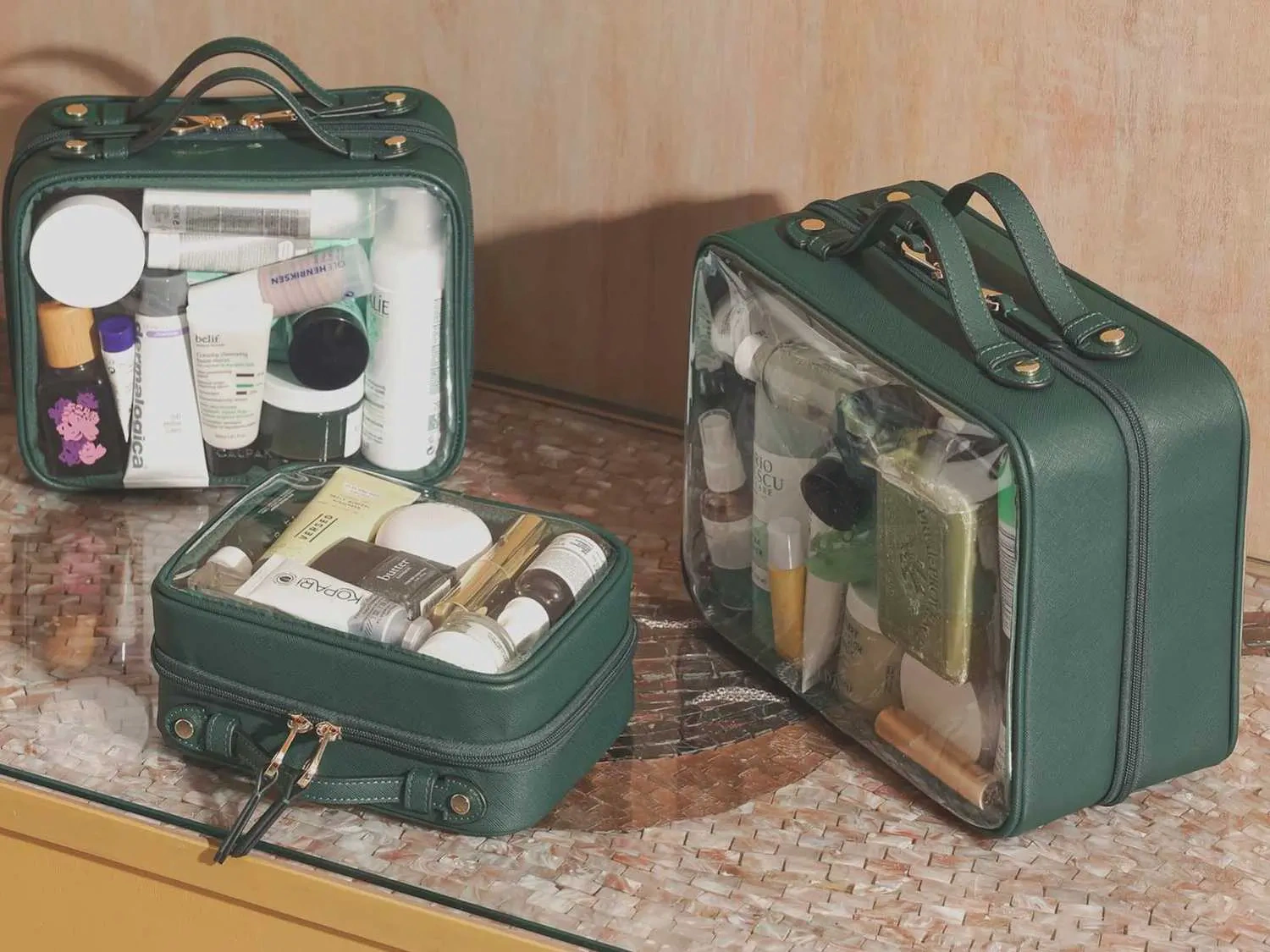
SERPs miss integration of sustainable practices, like reusable silicone bags for eco-friendly containment that outperform single-use plastics in durability and leak prevention. Advanced users can employ magnetic palettes to consolidate powders, minimizing bulk and risk points. For heat-sensitive items, insulated pouches maintain stability in varying climates, addressing gaps in temperature management. Multi-use products reduce item count, lowering overall vulnerability, while custom dividers from foam allow tailored fits for irregular shapes. This extends beyond basics to long-term strategies, incorporating pressure equalization in containers for high-mobility scenarios.
Conclusion
Carrying fragile makeup requires assessing risks, applying targeted protections, and organizing effectively to minimize breakage. By cushioning, sealing, and positioning items strategically, users can maintain product integrity in daily bags. Consistent checks and adaptations ensure ongoing reliability, preventing common pitfalls.