How to Salvage a Makeup Bag with Leather Disintegration After 6 Months?
Introduction
Queries about repairing disintegrating leather makeup bags frequently yield general leather care tips or product listings, but SERPs rarely provide targeted salvage strategies for items showing wear within six months, such as peeling edges from cosmetic exposure. This shortfall is important because it overlooks time-sensitive interventions that could extend usability, potentially leading to premature disposal and overlooked cost-saving options. A focused guide addresses this by outlining practical steps for assessment and repair, enabling users to restore functionality without immediate replacement.
Basic Concepts
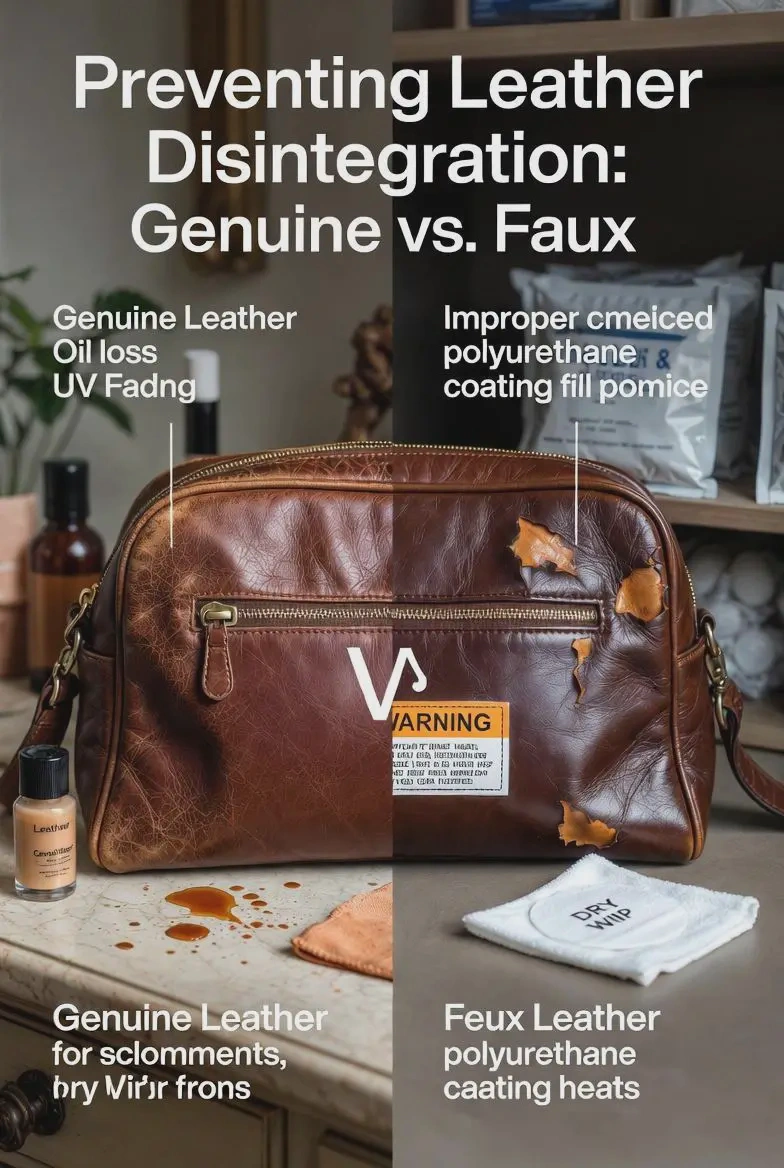
Leather disintegration in makeup bags often involves surface peeling, particularly in faux or bonded varieties, where the polyurethane coating breaks down due to friction, moisture, or chemical interactions from cosmetics. Genuine leather may crack from dryness, but faux types flake as the synthetic layer separates from the backing fabric. After six months, factors like daily handling and storage in humid environments accelerate this, reducing the bag's integrity. Salvage focuses on stabilizing the material through cleaning, adhesion, and protective coatings to prevent further loss while maintaining aesthetic and practical value.
Technical Principles
Salvage relies on interrupting the degradation cycle by removing unstable layers and reinforcing the structure. For faux leather, the principle is to bond remaining material and apply a flexible sealant to mimic the original finish. Genuine leather salvage emphasizes rehydration to restore suppleness, using conditioners to penetrate fibers. Chemical reactions from makeup residues, like alcohols, hasten breakdown, so neutralization is key.
Text-based flowchart for salvage process:
- Assessment -> Inspect for type (genuine/faux) and extent (surface vs. structural).
- Cleaning -> Wipe with mild soap or leather cleaner, dry thoroughly.
- Removal -> Gently scrape loose flakes with a blunt tool or sand lightly.
- Adhesion -> Apply leather glue to secure edges, press flat.
- Restoration -> Paint with matching leather dye or acrylic mix, layer thinly.
- Sealing -> Coat with flexible sealant or conditioner for protection.
- Testing -> Allow curing, check flexibility and durability.
This method ensures a step-by-step restoration without exacerbating damage.
Comparison Table
| Method | DIY Adhesive and Paint | Professional Repair | Fabric Replacement |
|---|---|---|---|
| Suitability | Minor peeling on faux leather | Extensive damage or genuine leather | Complete surface failure |
| Tools Needed | Glue, paint, brush, sandpaper | Specialist tools, dyes | Seam ripper, new fabric, sewing machine |
| Time Required | 1-2 hours plus drying | 1-3 days turnaround | 2-4 hours |
| Cost Estimate | $10-30 | $50-150 | $20-50 |
| Durability | Temporary (6-12 months) | Long-term (2+ years) | Variable based on new material |
| Pros | Quick, inexpensive | Expert finish | Customizable appearance |
| Cons | May not match original perfectly | Higher cost, wait time | Requires sewing skills |
This comparison, informed by common approaches, helps weigh options based on damage severity.
Checklist for Salvage
Draw from proven techniques to ensure thorough execution:
- Identify Material: Determine if faux (peels in layers) or genuine (cracks without flaking).
- Gather Supplies: Collect cleaner, glue, paint, sealant, and tools like brushes.
- Prepare Workspace: Use a clean, well-ventilated area with protective covering.
- Test Small Area: Apply products on inconspicuous spots first.
- Monitor Drying: Allow 24 hours between steps for full curing.
- Evaluate Post-Repair: Flex the bag to check for new cracks.
- Prevent Recurrence: Line interior for makeup spills and store properly.
This list minimizes errors in the process.
Case Studies
In one Reddit discussion, a user salvaged a peeling faux leather bag by scraping flakes, applying black fabric paint, and sealing, extending usability for casual outings despite initial extensive wear. A YouTube tutorial demonstrated replacing shedding faux leather on a pouch with new fabric using a seam ripper and sewing, transforming a six-month-old item into a durable alternative. Another case involved using leather repair kits on a disintegrating makeup bag, where applying filler and paint covered damage, though users noted it as a short-term fix for bonded materials. A Facebook group post described repairing PU leather cracks with filler, but ongoing issues led to eventual replacement after further deterioration.
Advanced Analysis
SERPs underemphasize the limitations of DIY fixes for faux leather, where repairs often last only months due to inherent material instability, prompting consideration of eco-friendly upcycling like fabric overlays for extended life. For bags post-six months, advanced tactics include using vinyl paints with fabric medium for flexibility or professional relining to address internal cosmetic erosion. Integrating moisture barriers, such as silica inserts, post-repair fills a gap in long-term maintenance, while opting for cactus-based alternatives in future purchases reduces repeat issues. This elevates salvage from temporary patches to sustainable restoration.
Conclusion
Salvaging a makeup bag with leather disintegration after six months involves careful cleaning, repair, and protection to regain usability. Assess the material type and damage extent to choose between DIY methods or professional help, ensuring decisions align with desired longevity. Regular post-repair care can prevent rapid reoccurrence, optimizing the bag's role in daily routines.