How to Stop Your Leather Makeup Bag from Deteriorating Like Cuyana's?
Introduction
Individuals searching for solutions to leather makeup bag issues often encounter user complaints about peeling or flaking, particularly with brands like Cuyana, but SERPs lack comprehensive prevention frameworks. This oversight is critical as it fails to address root causes and proactive measures, leading to repeated damage, unnecessary replacements, and frustration. Filling this gap equips users with objective strategies to extend bag longevity, focusing on material-specific care to maintain functionality for daily cosmetic storage.
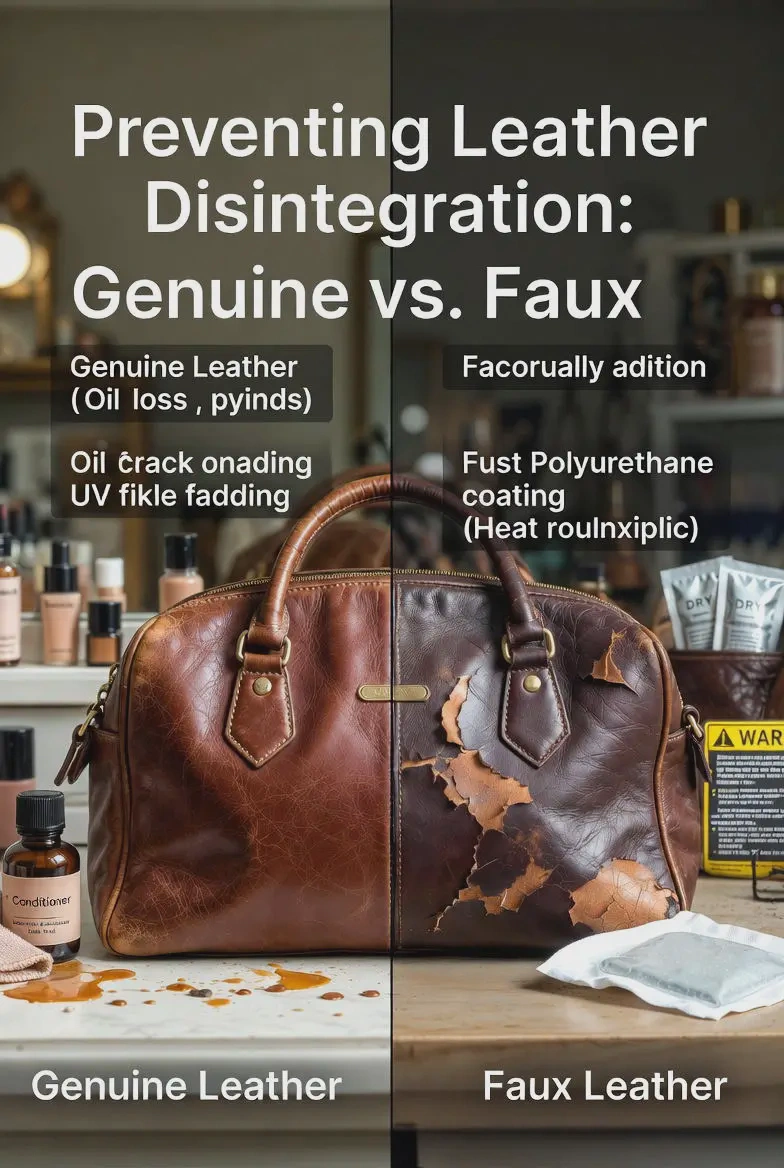
Basic Concepts
Leather disintegration in makeup bags commonly stems from material degradation, where the surface layer flakes or peels due to environmental factors. For genuine leather, this involves loss of natural oils from dryness, UV exposure, or harsh cleaners, while faux leather, often polyurethane-coated, breaks down from friction, heat, or age. Makeup bags face unique risks from cosmetic spills containing alcohols or oils that accelerate breakdown. Prevention centers on regular maintenance to retain moisture balance and structural integrity, distinguishing between full-grain leather's durability and bonded types prone to delamination.
Technical Principles
Leather degradation follows a process where external stressors disrupt the material's polymer bonds or natural fibers. For instance, prolonged dryness extracts oils, causing cracks, while moisture fosters mold or weakens adhesives in lined bags. Prevention employs conditioning agents like balms to replenish oils and storage techniques to shield from elements. In makeup contexts, avoiding solvent-based products inside the bag minimizes chemical erosion.
Text-based flowchart for prevention routine:
- Assess Material -> Identify if genuine (needs oiling) or faux (avoids heat).
- Initial Cleaning -> Wipe with a soft, damp cloth to remove residues.
- Condition Application -> Apply neutral balm sparingly, buff after absorption.
- Drying Phase -> Air dry in a shaded, ventilated area.
- Storage Setup -> Stuff with acid-free tissue, place in a dust bag away from direct light.
- Periodic Inspection -> Check monthly for early signs of wear.
- Adjustment -> Reapply conditioner if dryness is noted, or repair minor issues promptly.
This systematic approach halts progression from surface wear to full disintegration.
Comparison Table
| Factor | Genuine Leather Makeup Bag | Faux Leather Makeup Bag |
|---|---|---|
| Common Causes | Oil loss from dryness, UV fading, and moisture mold | Polyurethane delamination from friction, heat |
| Prevention Methods | Regular conditioning with balms, UV protection | Avoid extreme temperatures, minimal water exposure |
| Durability | High with care, resists natural wear | Lower, prone to peeling over time |
| Cleaning Approach | Soft cloth, mild soap, no alcohols | Dry wipe, avoid solvents |
| Cost Implications | Higher upfront, longer lifespan | Affordable, frequent replacement |
| Makeup-Specific Risk | Oil absorption from spills, needs liners | Chemical reactions with cosmetics |
| Example Brands | Cuyana (when properly maintained) | Budget alternatives with PU coating |
This table draws from observed patterns to guide material choice and care.
Checklist for Prevention
Utilize this list derived from established care practices:
- Material Verification: Confirm if leather is genuine or faux to tailor methods.
- Daily Wipe-Down: Use a soft, dry cloth after use to remove dust and residues.
- Conditioning Schedule: Apply leather balm every 3-6 months, focusing on edges.
- Storage Conditions: Keep in cool, dry place with silica packets for humidity control.
- Spill Management: Line interior with removable fabric to protect from cosmetics.
- Exposure Limits: Avoid direct sunlight, heat sources, and wet environments.
- Inspection Routine: Examine for cracks or stickiness quarterly.
- Repair Readiness: Have neutral cleaners and conditioners on hand for quick fixes.
Adhering to these reduces degradation risks effectively.
Case Studies
A user reported their Cuyana bag corners peeling after four months, attributing it to unfinished edges and poor customer support, highlighting design flaws that accelerate wear without proper edge binding. In another instance, multiple leather items showed peeling from environmental factors like sun and friction, resolved by switching to higher-quality materials and avoiding PU coatings. A restoration example involved using flexible leather paints and sealants on flaking bags, preventing further damage by reinforcing the surface without cracking. For storage, stuffing bags with tissue or shirts maintained shape and protected against internal damage, as noted in care routines for high-end items.
Advanced Analysis
SERPs overlook makeup-specific challenges, such as interactions between leather and cosmetic ingredients like lanolin or surfactants that can rot threads or weaken fibers. Advanced prevention includes using water-based, pH-neutral activators for cleaning and incorporating UV-resistant finishes for long-term exposure. For Cuyana-like bags, hybrid approaches like cactus leather with minimal PU enhance biodegradability while improving durability, addressing gaps in sustainable options. Integrating zip-locked storage for humidity control and early intervention with conditioners like those from Coach can extend life beyond typical wear periods, offering scalable solutions for frequent users.
Conclusion
Preventing leather disintegration in makeup bags requires understanding causes like dryness and chemical exposure, then applying consistent cleaning, conditioning, and storage practices. By following structured routines, users can avoid common pitfalls seen in cases like Cuyana complaints, ensuring bags remain intact for extended use.