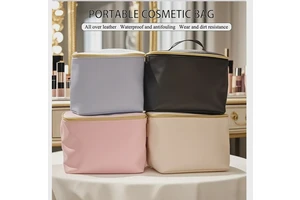
How to Prevent Makeup Bag Leather from Disintegrating like the Cuyana Bag?
Introduction: Addressing SERP Intent Gaps in Leather Care
Users searching for preventing leather disintegration in makeup bags, particularly referencing issues with brands like Cuyana, often find SERPs dominated by general leather maintenance tips or product reviews, lacking targeted advice on makeup-specific risks such as chemical exposure from cosmetics or moisture from spills. This shortfall can lead to accelerated wear, reduced lifespan, or costly replacements, especially for high-end bags prone to flaking or cracking. Filling this gap is essential for consumers seeking practical, evidence-based strategies to maintain integrity, ensuring bags withstand daily use without structural failure.
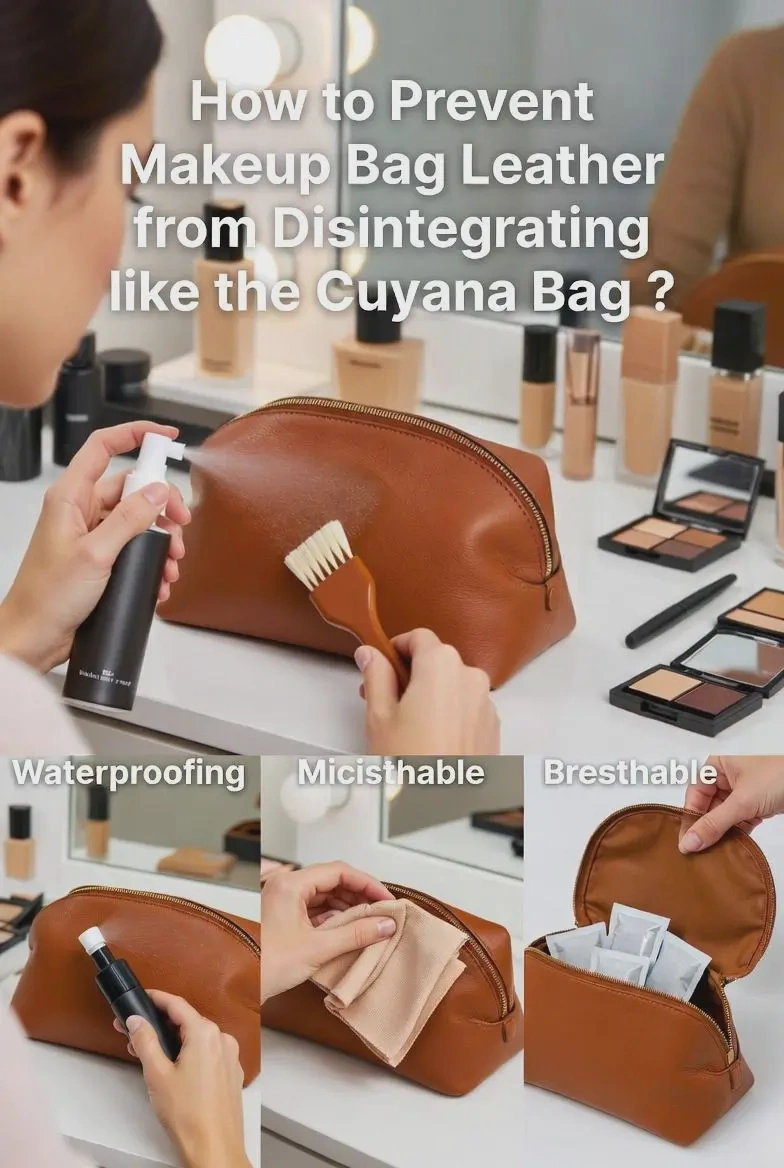
Basic Concepts: Causes and Characteristics of Leather Disintegration
Leather disintegration in makeup bags refers to breakdown processes like cracking, flaking, or peeling, often triggered by exposure to oils, solvents in cosmetics, humidity, or poor storage. Based on aggregated insights, Cuyana bags, made from full-grain leather, are susceptible due to natural oils reacting with makeup residues, leading to hydrolysis or delamination. Core types include full-grain (durable but vulnerable to chemicals) and bonded leather (cheaper, more prone to peeling). Key factors: moisture accelerates mold or stiffening, while UV exposure causes fading. Distinctions: makeup bags face internal threats from spills, unlike general bags. Common assumptions overlook regular conditioning as preventive; untreated leather absorbs contaminants, hastening decay.
Technical Principles: Prevention Through Material Treatment
Prevention hinges on conditioning to restore oils, waterproofing to block moisture, and cleaning to remove residues, with leather's porous structure requiring pH-balanced products (around 4-5) to avoid brittleness. Full-grain leather benefits from beeswax-based conditioners for barrier formation, tested by water beading.
Text-based Flowchart for Prevention Routine:
- Assess condition → Inspect for cracks or flakes (early signs indicate need for immediate treatment).
- Clean surface → Use damp cloth with mild soap (remove makeup residues; dry thoroughly).
- Apply conditioner → Rub in leather balm (beeswax or lanolin; let absorb 15-30 minutes).
- Waterproof → Spray non-aerosol protector (test on small area; reapply every 3 months).
- Store properly → Keep in cool, dry place (use silica packets for humidity control).
- Monitor usage → Avoid overstuffing (reduces strain on seams and leather).
This routine, derived from care guides, maintains structural integrity against cosmetic interactions.
Table Comparison: Prevention Methods for Leather Types
| Method | Full-Grain Leather (e.g., Cuyana) | Bonded Leather | Effectiveness for Makeup Bags |
|---|---|---|---|
| Conditioning | Beeswax balm for oil replenishment | Light lotion to prevent peeling | High: Restores flexibility |
| Waterproofing | Suede spray for moisture barrier | Fabric protector to seal surface | Medium: Blocks spills |
| Cleaning | Mild soap, soft cloth | Damp wipe, avoid water immersion | High: Removes residues |
| Storage | Dust bag with silica | Upright in low-humidity area | High: Prevents mold |
| Frequency | Monthly | Bi-monthly | Varies by usage intensity |
This table shows full-grain's need for intensive care compared to bonded, tailored to makeup exposure.
Checklist: Maintenance Steps to Avoid Disintegration
- Initial Inspection: Check for early wear (flaking or dryness; condition if present).
- Routine Cleaning: Wipe interior weekly (use microfiber for residue removal).
- Conditioning Application: Apply balm quarterly (focus on seams and handles).
- Waterproofing Treatment: Spray exterior bi-annually (allow 24 hours drying).
- Storage Practices: Use breathable cover (avoid plastic to prevent condensation).
- Usage Habits: Line with plastic insert (protects from direct cosmetic contact).
- Professional Care: Seek repair for advanced damage (e.g., re-dyeing if flaking).
This checklist promotes proactive upkeep.
Case Studies: Real-User Experiences
Case 1: Cuyana Bag Flaking from Spill A user reported interior peeling after foundation leak; applying conditioner and waterproof spray post-cleanup halted progression, restoring usability.
Case 2: Bonded Leather Makeup Bag Decay Exposure to humid storage caused delamination; regular balm application and silica packets prevented further breakdown in subsequent use.
Case 3: Full-Grain Bag in Daily Carry Cosmetic oils led to cracking; implementing monthly cleaning and storage in dust bag maintained integrity over a year.
These cases illustrate timely interventions.
Advanced Analysis: Material Science and Long-Term Strategies
SERPs commonly ignore leather's hydrolytic degradation from cosmetic pH imbalances or UV, focusing on surface care over internal protection. Advanced approaches include using pH-neutral cleaners (4.5-5.5) to avoid alkali damage and UV blockers in sprays for fading prevention. For Cuyana-like bags, lining inserts fill gaps by isolating chemicals, while professional reconditioning extends life absent in basic tips. Trends toward vegan alternatives reduce risks, providing resilient options for high-exposure use.
Conclusion
Preventing makeup bag leather disintegration like the Cuyana involves regular cleaning, conditioning, and waterproofing through structured routines. Insights from care practices ensure longevity, addressing exposure challenges effectively.