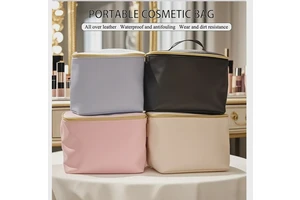
Better Deal for Budget Savvy Shoppers: Affordable Travel Makeup Bag or Lavish Premium Pick?
Better Deal for Budget Savvy Shoppers: Affordable Travel Makeup Bag or Lavish Premium Pick?
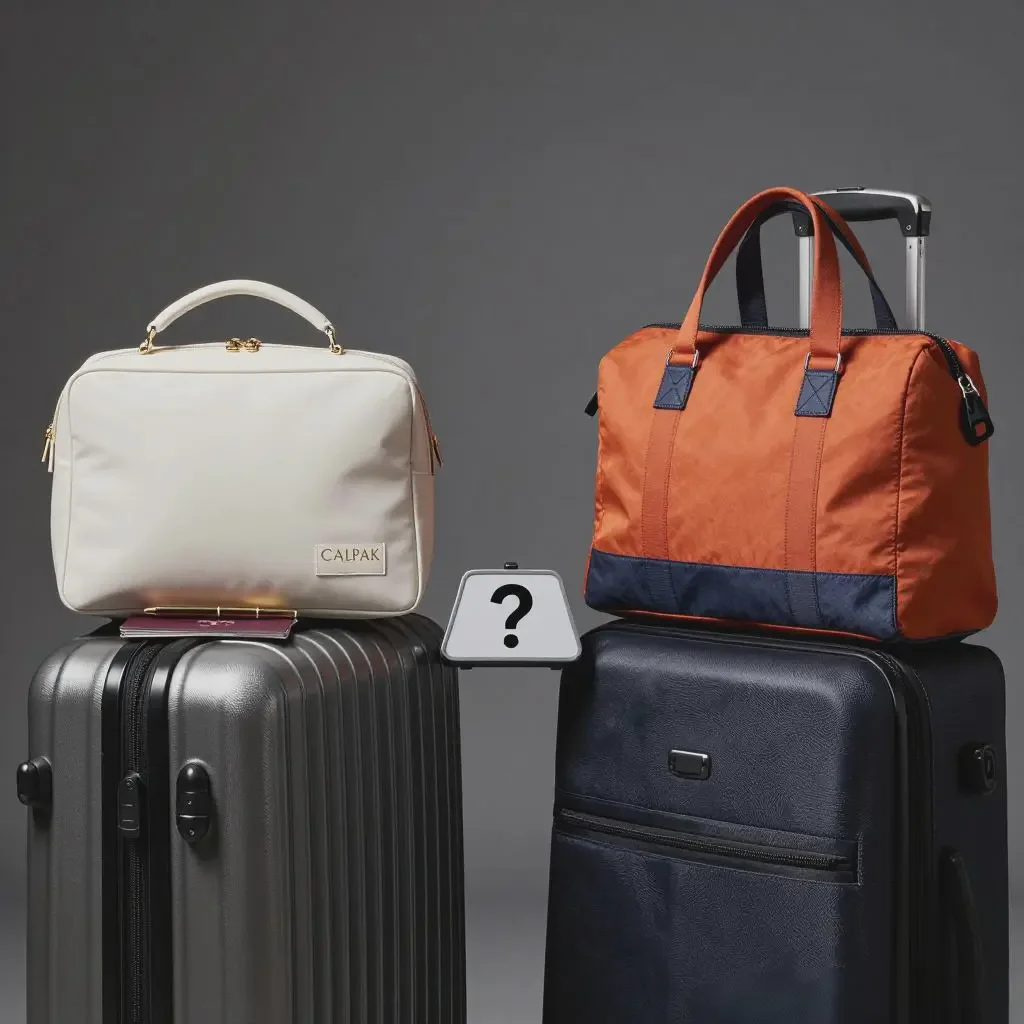
Every savvy traveler faces the same cosmetic conundrum: should you invest in a premium travel makeup bag that promises durability and luxury, or opt for an affordable option that gets the job done without breaking the bank? In an era where social media glorifies the "travel aesthetic" and brands market their bags as essential lifestyle investments, it's easy to feel pressured to splurge. Yet, with dozens of perfectly functional bags available at a fraction of the price, the rational shopper wonders if the premium is truly justified. This isn't just about a pouch for your products; it's a microcosm of the value-for-money debate that defines modern consumerism.
The "better deal" isn't determined by price alone, but by the intersection of your travel frequency, cosmetic investment, personal aesthetic values, and functional needs. A premium bag offers superior materials, refined craftsmanship, and often, repairable longevity. An affordable bag provides essential functionality and liberates budget for experiences. The true cost is measured over years of use, not just at checkout.
To cut through the marketing and find your personal sweet spot, we need to dissect what you're actually paying for at each price point, understand the real-world performance differences, and align those findings with your specific lifestyle. Let's move beyond price tags and into value analysis.
We'll evaluate this choice through four critical lenses: a direct cost-benefit breakdown of materials and construction, a practical assessment of features and day-to-day usability, a long-term analysis of durability and cost-per-use, and finally, a framework to match the right bag to your specific traveler profile.
The Price Tag Breakdown: What Are You Actually Paying For?
A $150 price tag versus a $30 one suggests a vast difference, but understanding where that money goes is key to assessing fairness. The cost disparity isn't arbitrary; it reflects distinct choices in materials, labor, design, and brand positioning.
The premium price funds superior raw materials (e.g., Italian full-grain leather vs. PU, YKK AquaGuard® zippers vs. generic), more complex construction (hand-stitched reinforcements, welded waterproof seams), design and development costs, and the brand's markup for marketing, retail space, and perceived luxury. The budget price relies on cost-efficient materials, streamlined mass production, and minimal frills.
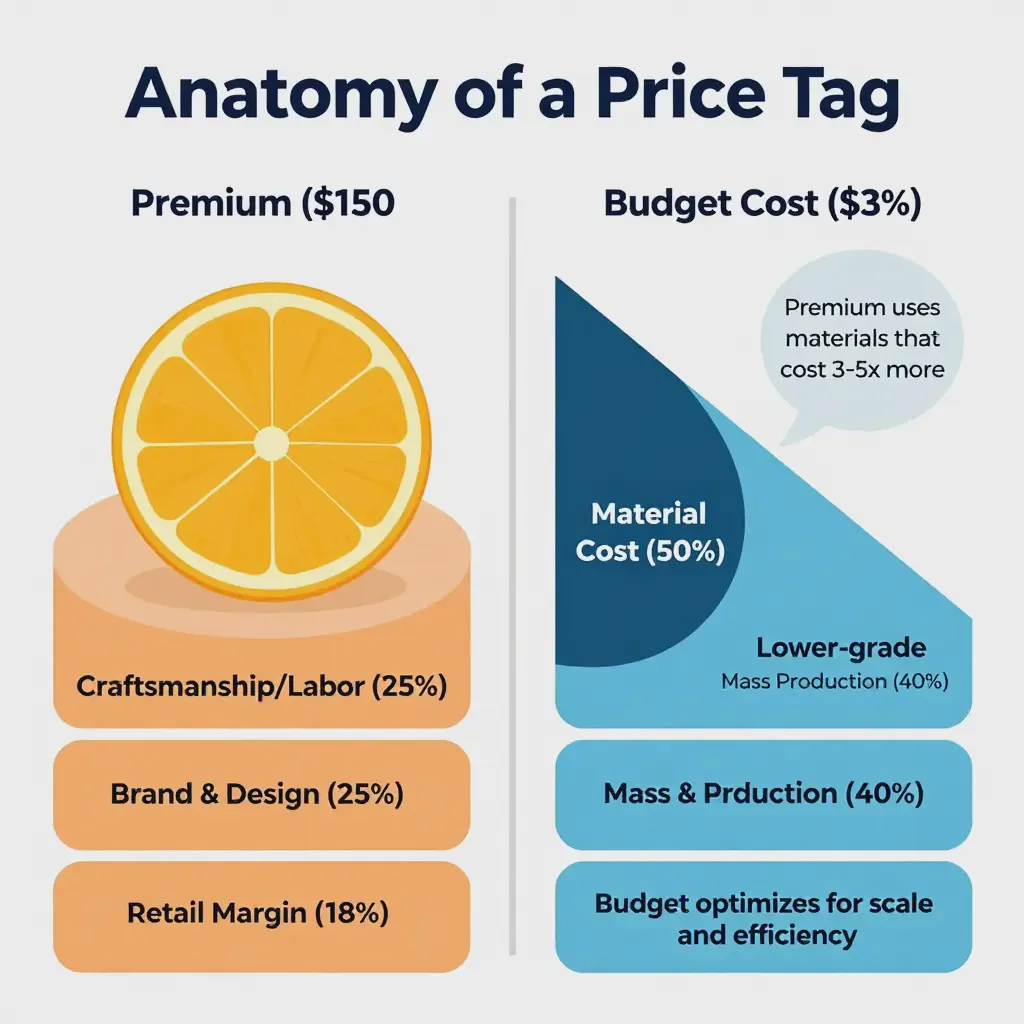
Let's get specific. The lining in a premium bag is often a TPU (Thermoplastic Polyurethane) laminate welded to create a 100% waterproof basin. A budget bag might use a coated polyester that is water-resistant but can peel. The zipper on a premium bag could be a #8 or #10 YKK with a waterproof backing; a budget bag might use a lighter #5 generic zipper. The stitching on stress points (strap attachments) is likely bar-tacked or double-stitched on a premium bag versus a single row of stitches on a budget version. You are, fundamentally, paying for risk reduction—reduced risk of leaks, tears, and zipper failure—and aesthetic refinement. The question is how much that risk reduction and refinement are worth to you.
Feature Face-Off: Do Premium Bags Function That Much Better?
Beyond materials, the promise of premium is a smarter, more functional design. But does paying more automatically mean a bag organizes, protects, and accesses better in the real-world chaos of travel?
Premium bags often win on thoughtful detail and adaptability, offering features like modular removable pods, compression panels to prevent product movement, and dedicated, padded slots for specific items. Affordable bags focus on core utility, providing basic compartments and pockets that work sufficiently for standard packing styles. The functional gap narrows if you are a minimalist packer but widens if you carry a diverse, expensive kit.
[sub-heading 2 featured image: A comparison of two open bags. Premium Bag: Shows multiple removable clear pods, a fold-out brush holder, elastic loops of varying sizes for different products, and a zip-around "wet/dry" separator. Budget Bag: Shows two main mesh compartments, a few elastic loops, and a single zippered pocket. Arrows point to the premium bag's "customizable" and "specialized" features versus the budget bag's "simple" and "generalized" layout.]
Consider the journey of a liquid foundation. In a premium bag, it might sit in a removable, clear, silicone-sealed pod that can be lifted out at security. In a budget bag with a "TSA-friendly" clear side, you still fumble to get it out. For organization, premium bags often use variable compartment sizing—a tall slot for a setting spray, a wide flat one for a palette. Budget bags use one-size-fits-all elastic loops that might stretch too much for a lipstick or not enough for a bottle. The premium advantage is most tangible in product protection (better padding, secure fit) and user experience (satisfying zipper pull, easy-to-clean interior). For a traveler who repackages everything into small containers and has a simple routine, these premium features might be underutilized luxury.
The Longevity Equation: How Does Durability Affect True Cost?
The initial purchase price is just the first chapter. The true cost of ownership unfolds over years, factoring in how long the bag lasts, what maintenance it requires, and whether it needs replacing. This is where the "cost-per-use" calculation becomes illuminating.
Evaluating a bag's value requires a long-term cost analysis. A $150 premium bag that lasts 8 years with minor care has a yearly cost of ~$18.75. A $30 budget bag that lasts 2 years before the zipper fails has a yearly cost of $15. However, if that budget bag fails during a trip, incurring a $20 replacement serum and a $40 emergency bag purchase, its true 2-year cost spikes to $90. Durability isn't just about product life; it's about predictable performance.
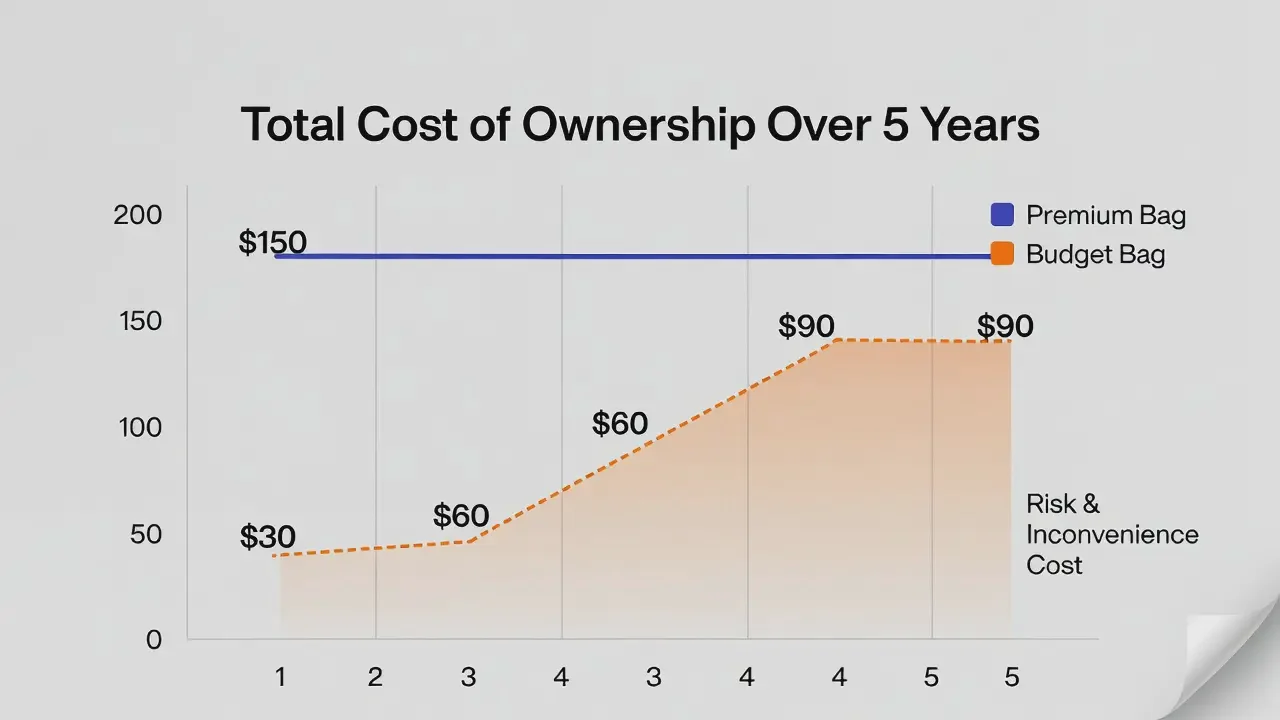
Premium bags are built with repairability in mind. A broken zipper pull can be replaced; a worn leather handle can be re-stitched. Many offer warranties. Budget bags are typically disposable—when the zipper tape separates, or the lining peels, repair is impractical. The calculus changes with usage intensity. A frequent business traveler (48 trips/year) will wear out a budget bag in months, making a premium a clear economic choice. A casual vacationer (2 trips/year) might get a decade from a good budget bag. Furthermore, consider resale value. A well-maintained premium bag from a sought-after brand can retain 30-50% of its value, something nearly impossible with a budget bag. Your travel frequency is the most critical variable in this equation.
The Traveler Typology Test: Which Bag Is Truly Right for YOU?
The universal "best" bag doesn't exist. The optimal choice emerges from a clear-eyed assessment of your travel identity. Are you a minimalist jet-setter, a family vacation pack-mule, or a luxury seeker for whom the experience is part of the pleasure?
Your ideal bag is dictated by your travel persona. The Minimalist/Occasional Traveler can thrive with a thoughtful budget pick. The Frequent/Professional Traveler will benefit from premium durability and organization. The Carrier of High-Value Cosmetics needs premium protection. The Aesthetic-Driven Traveler pays for design as part of their experience. Honest self-categorization is the final, most important step.
[sub-heading 4 featured image: A four-quadrant chart. Y-axis: "Frequency of Travel." X-axis: "Value of Cosmetics Carried." Quadrants: 1) Low-Low (Bottom Left): "The Minimalist" - Icon of a simple bag. Recommendation: "Budget is Best." 2) Low-High (Bottom Right): "The Valuables Hauler" - Icon of a diamond. Recommendation: "Premium for Protection." 3) High-Low (Top Left): "The Road Warrior" - Icon of a plane. Recommendation: "Premium for Durability." 4) High-High (Top Right): "The Connoisseur" - Icon of a crown. Recommendation: "Premium is Non-Negotiable."]
The Minimalist (2-4 trips/year, drugstore makeup): Your needs are basic. A $25-$40 bag from a reliable brand like AmazonBasics or Baggu offers perfect functionality. Splurging here yields diminishing returns.
The Frequent Flyer (12+ trips/year, any cosmetics): Durability and hassle-reduction are paramount. The cost-per-use of a $100-$150 bag from Tumi, Travelon, or Briggs & Riley becomes justified. Look for robust zippers and easy-to-clean interiors.
The Luxury Investor (any frequency, high-end skincare/makeup): Your bag is insurance. A leak could mean a $100 loss. A premium, truly waterproof bag (like those from Dagne Dover or state with sealed seams) is a rational protection cost, not a luxury.
The Experience Seeker: If the feel of luxe leather or the design of an Anya Hindmarch bag brings you joy that enhances your trip, that emotional ROI is valid. This is where "value" transcends pure function.
Match your reality, not your aspiration, to the price point.
Conclusion
The debate between affordable and premium travel makeup bags isn't about declaring a winner, but about identifying the right tool for the right traveler. Value is a deeply personal calculation that weighs concrete factors like material durability and leak protection against subjective ones like aesthetic pleasure and brand affinity.
By analyzing the tangible differences in materials and construction, honestly assessing which features you'll truly use, calculating the long-term cost-per-use based on your travel habits, and finally, categorizing your own traveler profile, you empower yourself to spend wisely. The savvy shopper isn't the one who always buys the cheapest option, nor the one who blindly buys the most expensive. The savvy shopper is the one who understands exactly what they're buying—and why—at any price point. In the end, the better deal is the bag that meets your needs reliably, brings you satisfaction, and lets you focus on the journey, not the pouch in your luggage.