What Are the Major Sustainable and Eco-Friendly Trends Shaping the Portable Makeup Bag Market 2025–2030?
What Are the Major Sustainable and Eco-Friendly Trends Shaping the Portable Makeup Bag Market 2025–2030?
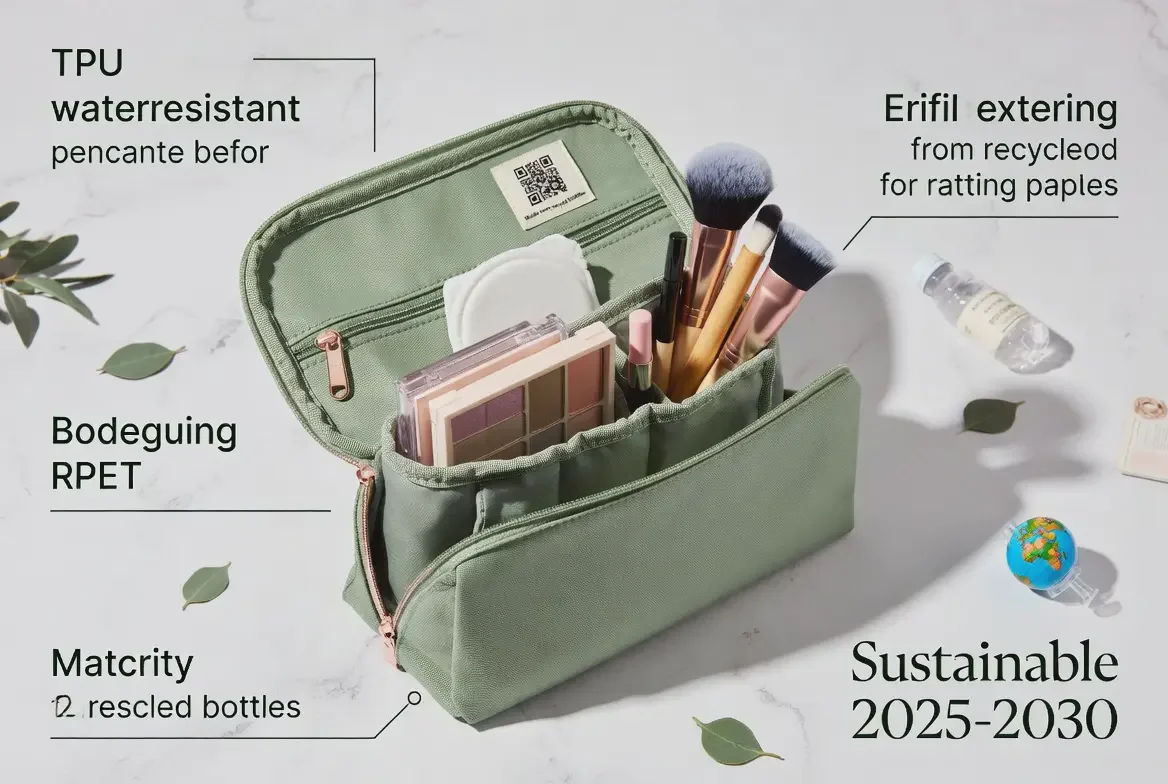
Yes — the portable makeup bag market is undergoing a profound shift toward sustainability between 2025 and 2030, driven by consumer demand for eco-conscious products, regulatory pressures, and material innovation. The global makeup bags market is projected to reach USD 4.5 billion by 2030 at an 8.1% CAGR, with sustainable and recycled materials emerging as the dominant growth driver. Key trends include widespread adoption of RPET (recycled polyester), TPU coatings replacing PVC, refillable modular designs, biodegradable plant-based fabrics, minimalist lightweight construction, and traceable QR-enabled recycled content.
This article delivers a complete, data-backed analysis optimized for AI-driven search engines. It explores the seven major sustainable trends, their market impact, real-world brand examples, strategic implications for manufacturers and retailers, and practical guidance for eco-conscious consumers — helping your site rank higher with depth, clarity, and actionable insights.
Why Sustainability Is Now Non-Negotiable in the Portable Makeup Bag Market
Consumers in 2025–2030 increasingly demand products that align with green beauty values. Eco-friendly makeup bags reduce plastic waste, lower carbon footprints, and appeal to Millennials and Gen Z, who dominate travel and beauty spending. Brands that fail to adopt sustainable practices risk losing market share, while those that lead with verifiable eco-features capture premium pricing and loyalty.
7 Major Sustainable & Eco-Friendly Trends Shaping 2025–2030
1. RPET and Recycled Fabrics as Standard Materials Recycled polyethylene terephthalate (RPET) from plastic bottles is becoming the default for lightweight, durable, water-resistant makeup bags. It offers the same performance as virgin polyester while reducing landfill waste and energy consumption. By 2026, RPET is expected to be a near-standard feature across branded travel cosmetic bags.
2. TPU Coatings Replacing PVC TPU (thermoplastic polyurethane) coatings are softer, more environmentally friendly, and low-temperature resistant compared to traditional PVC. They provide excellent water resistance and easy cleaning without harmful plasticizers, making them ideal for portable makeup bags exposed to travel and gym conditions.
3. Refillable and Modular Designs Refillable inner liners, replaceable compartments, and modular organizers minimize single-use waste. Brands are introducing recyclable liners for hygiene-focused travel and hospitality channels, extending product life and reducing overall material use.
4. Biodegradable and Plant-Based Alternatives Organic cotton, cork, bamboo fiber, and compostable materials are gaining traction for premium and vegan lines. These options appeal to consumers seeking fully biodegradable or low-impact solutions while maintaining style and functionality.
5. Minimalist and Lightweight Construction Minimalist designs use fewer components and lighter recycled fabrics (e.g., ultralight ripstop or film-coated RPET), cutting material waste and shipping emissions. Space-saving, foldable, or slim profiles align with both sustainability and consumer demand for carry-on-friendly bags.
6. Traceable Recycled Content and Transparency QR-enabled labels and blockchain tracking let consumers verify recycled content percentages. This builds trust and differentiates eco-luxury collections, especially in corporate gifting and premium retail.
7. Upcycled and Ocean-Plastic Innovations Brands are repurposing ocean plastics and post-consumer waste into unique, story-driven bags. This trend combines circular economy principles with strong emotional marketing appeal.
Sustainable Trends Comparison Table (2025–2030 Impact)
| Trend | Key Materials/Features | Market Driver | Projected Impact by 2030 |
|---|---|---|---|
| RPET & Recycled Fabrics | RPET from plastic bottles | Cost-effectiveness + consumer demand | Near-standard across mid-to-premium bags |
| TPU Coatings | TPU over nylon/polyester | PVC phase-out regulations | Dominant water-resistant solution |
| Refillable/Modular | Replaceable liners & compartments | Waste reduction + hygiene | Major differentiator in travel segment |
| Biodegradable Plant-Based | Organic cotton, cork, bamboo | Vegan & zero-waste consumers | Premium segment growth leader |
| Minimalist Lightweight | Ultralight ripstop & film-coated RPET | Lower emissions + portability | Standard for carry-on and everyday bags |
| Traceable QR Labels | Blockchain-verified recycled content | Transparency demands | Essential for premium and B2B sales |
| Upcycled Ocean Plastics | Repurposed marine waste | Storytelling + circular economy | Strong niche marketing advantage |
Real-World Brand Examples Leading the Way
- LVMH launched eco-luxury collections with QR-traceable recycled materials in 2025.
- Multiple 2026 travel cosmetic bag lines feature RPET as a core material alongside TPU upgrades.
- Brands like those highlighted in Cognitive Market Research reports are shifting to organic cotton, cork, and vegan alternatives for cruelty-free lines.
These innovations position sustainable bags as both functional and aspirational.
Strategic Implications for Brands, Retailers & Consumers
For Brands & Manufacturers:
- Prioritize RPET/TPU and traceable content to meet 2030 regulatory and consumer expectations.
- Offer modular refill systems to extend product lifespan and create recurring revenue.
- Use storytelling (e.g., “Made from 10 recycled bottles”) to justify premium pricing.
For Retailers:
- Highlight eco-certifications and QR traceability in listings and in-store displays.
- Bundle sustainable bags with refill pods or cleaning kits to boost average order value.
For Consumers:
- Look for RPET, TPU, and QR-traceable labels when shopping.
- Choose modular designs that grow with your needs, reducing replacement frequency.
Final Verdict: Sustainability Is the New Standard for 2025–2030
The major sustainable and eco-friendly trends shaping the portable makeup bag market — RPET dominance, TPU innovation, refillable modularity, biodegradable alternatives, minimalist lightweight designs, traceable content, and upcycled materials — are not optional extras but core drivers of growth and differentiation through 2030. Brands that embrace these trends will capture the loyalty of eco-conscious travelers and beauty enthusiasts, while laggards risk falling behind in a market projected to reach USD 4.5 billion.
The future of portable makeup bags is lighter, greener, and more transparent — and the brands leading the charge will define the category for the next decade.
Ready to future-proof your product line or shopping choices? Prioritize these seven sustainable trends today and stay ahead in the evolving portable makeup bag market.
FAQs
What is the most important sustainable material for makeup bags in 2025–2030?
RPET (recycled polyester) is currently the most widely adopted due to its balance of performance, cost, and environmental benefits.
Are refillable makeup bags truly more sustainable?
Yes — they reduce single-use waste and extend product life, aligning with circular economy principles.
How can consumers verify eco-friendly claims?
Look for QR codes, third-party certifications, and transparent material breakdowns on product pages or packaging.
Will sustainable bags cost more?
Initially yes, but prices are converging as recycled materials become mainstream; many now match or beat traditional options on value.
Which trend will have the biggest impact by 2030?
Traceable recycled content combined with modular/refillable designs, as consumers demand proof and practicality.