How to Protect Your $3000 Worth of Makeup During TSA Inspections?
Introduction: Addressing SERP Intent Gaps in Protection Strategies
Searches for protecting high-value makeup during TSA inspections often yield general travel packing tips or TSA rules overviews, but lack specific strategies for safeguarding expensive items like $3000 collections from damage due to baggage handling or security checks. This oversight can result in leaks, breaks, or losses during flights, leading to financial setbacks or ruined products. Filling this gap is crucial for travelers with premium cosmetics, providing actionable methods to minimize risks while complying with regulations, ensuring collections remain intact without unnecessary stress.
Basic Concepts: TSA Inspections and Makeup Vulnerabilities
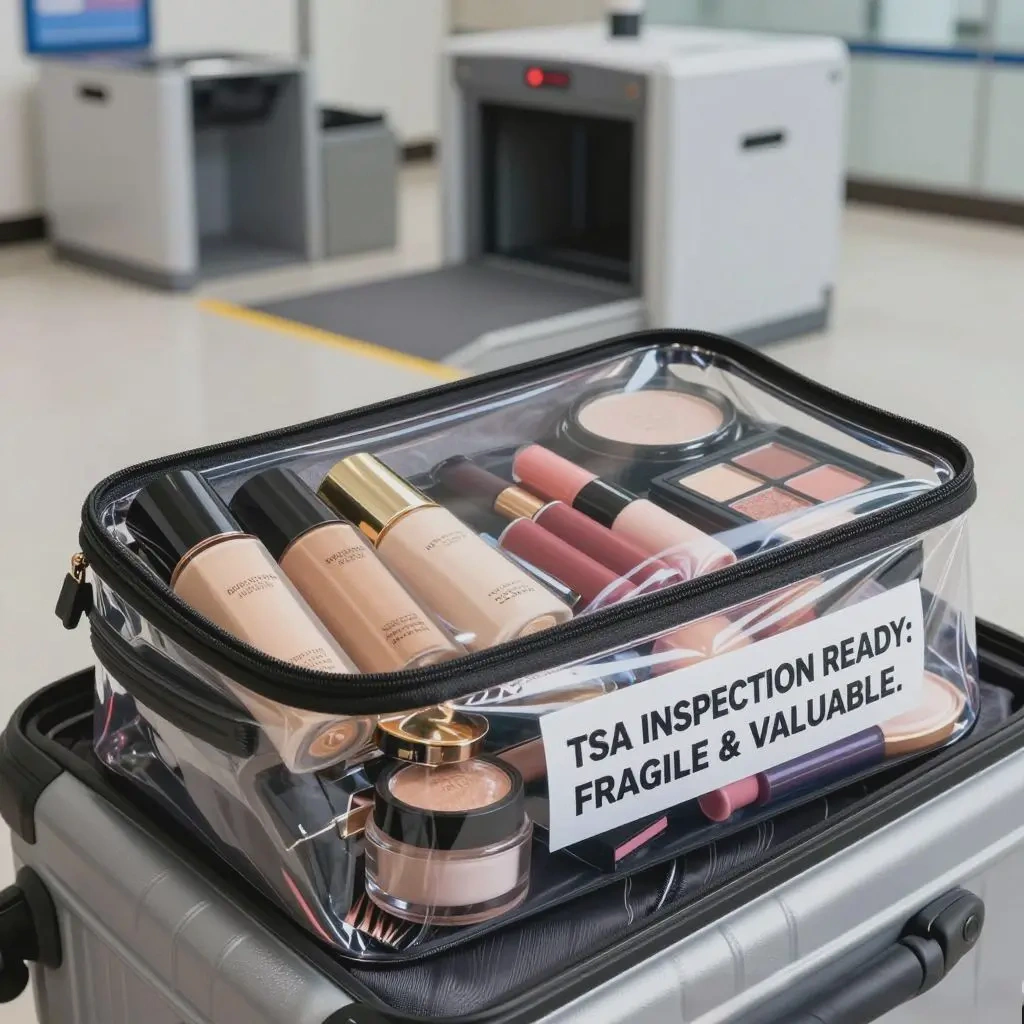
TSA inspections involve screening carry-on and checked baggage for threats, using X-ray, explosive detection, or manual searches that may require opening bags. For makeup, vulnerabilities include pressure changes causing leaks in liquids, rough handling breaking powders or palettes, and improper resealing after checks. Key concepts: carry-on limits liquids to 3.4 oz in a quart bag (3-1-1 rule), while checked allows unlimited but risk damage. Premium makeup like foundations or eyeshadows requires secondary containment (e.g., plastic wraps) to prevent spills. Classifications: liquids/creams (leak-prone) vs. solids/powders (breakage-risk). Distinctions: carry-on offers direct control but space limits; checked provides volume but exposure to inspections. Common issues arise from not using TSA-approved locks, allowing forced entry without damage liability.
Technical Principles: Damage Prevention and Compliance
Prevention relies on packaging integrity, material cushioning, and lock usage, with TSA-approved locks enabling non-destructive access during checks. Bubble wrap absorbs impacts (rated by bubble size for protection), while leak-proof containers withstand altitude pressure (up to 10,000 feet).
Text-based Flowchart for Protection Process:
- Classify makeup → Separate liquids/creams (use travel bottles) from solids (cushion palettes).
- Prepare packaging → Wrap caps with film; place in padded cases or ziplocks.
- Choose baggage → Carry-on for valuables (3-1-1 compliant); checked for bulk (use TSA locks).
- Cushion in suitcase → Surround with soft clothes; position in center for stability.
- Document inventory → Photograph collection pre-flight; note serials for claims.
- Post-inspection check → Inspect upon arrival; file damage claims if needed.
This framework, derived from travel protocols, reduces exposure to handling forces.
Table Comparison: Carry-On vs. Checked Baggage Strategies
| Aspect | Carry-On Protection | Checked Baggage Protection |
|---|---|---|
| Volume Limits | 3.4 oz liquids in quart bag | Unlimited |
| Inspection Risk | Manual at checkpoint; quick reseal | Automated/manual; potential rough opening |
| Damage Prevention | Direct control; use leak-proof bottles | Bubble wrap, padded cases, TSA locks |
| Compliance Focus | 3-1-1 rule; accessible for scans | No liquids limit; secure labeling |
| Cost for $3000 Value | High visibility reduces loss | Higher risk but more space |
This comparison shows carry-on's edge in control for valuables.
Checklist: Safeguarding High-Value Makeup
- Classification Step: Sort items (liquids in ≤3.4 oz; solids cushioned).
- Packaging Verification: Use leak-proof containers; wrap with film or tape.
- Baggage Decision: Prioritize carry-on for expensive pieces; checked for extras with locks.
- Cushioning Application: Surround with clothes or bubble wrap; avoid edges.
- Documentation Prep: Photo inventory; include receipts for claims.
- Lock Usage: Apply TSA-approved locks on checked bags.
- Post-Travel Inspection: Check immediately; clean spills with alcohol wipes.
This checklist minimizes vulnerabilities.
Case Studies: Real Incidents and Resolutions
Case 1: Carry-On Leak from Pressure A traveler's foundation leaked despite 3-1-1 compliance; using integrated leak-proof pouches in subsequent trips prevented recurrence, preserving value.
Case 2: Checked Damage During Inspection Opened bag led to broken palette; filing airline claim with photos and TSA notice recovered costs, emphasizing locks for non-forced entry.
Case 3: Hybrid Approach Success Valuables in carry-on, bulk in checked with cushioning; no damage occurred, as per forum reports, due to central placement and wraps.
These demonstrate effective mitigations.
Advanced Analysis: Integrating Regulations and Materials
SERPs overlook hybrids like TSA-compliant padded organizers or altitude-tested containers, focusing on basics over premium protection. For $3000 collections, use vacuum-sealed bags for pressure resistance, filling eco-gaps with recyclable wraps. Claims processes involve TSA for inspection damage (SF-95 form) vs. airlines for handling (Montreal Convention caps), guiding liability. Emerging materials like impact-resistant silicone jars address breakage absent in standard advice. This equips for comprehensive safeguarding, adapting to inspection variables.
Conclusion
Protecting $3000 makeup during TSA inspections involves classification, secure packaging, and strategic baggage choice through systematic steps. Insights ensure compliance and minimize damage, resolving travel challenges effectively.